


— Robotaxi trials to begin later this year in China
— Volkswagen is named as the first customer for XPENG’s next-generation intelligent driving system
Guangzhou, March 2, 2026 — XPENG Motors ("XPENG" or the "Company"; NYSE: XPEV, HKEX: 9868), a leading China-based high-tech company, today announced a major milestone in the global evolution of intelligent driving. The company confirmed that global delivery of its VLA 2.0 intelligent driving system is set to begin in 2027, with Volkswagen designated as the inaugural launch partner for the technology in the Chinese market. The announcement was made during XPENG's “The Future” VLA Media Experience Day, where the company unveiled the architecture and global deployment plan for its VLA 2.0 system.
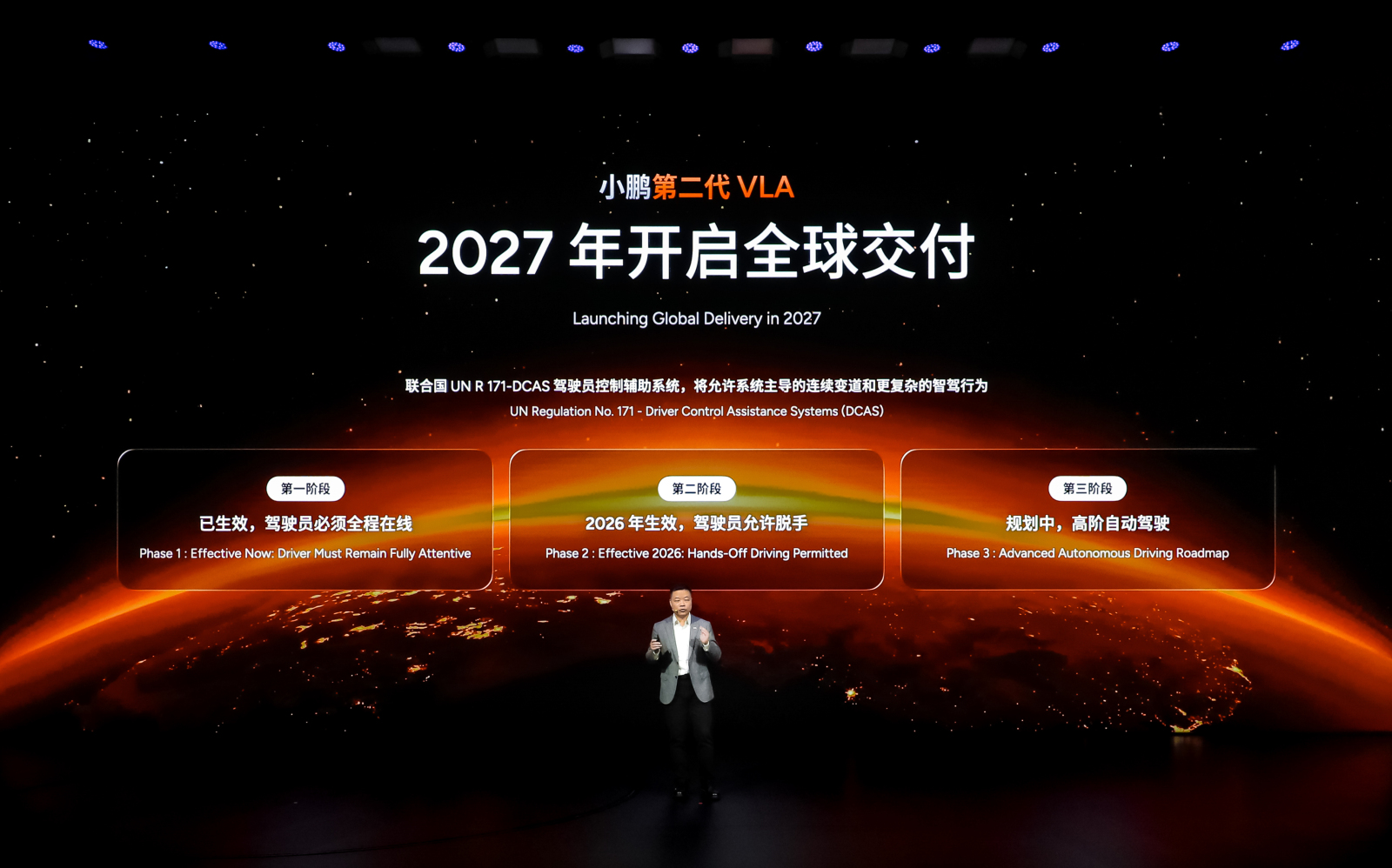
XPENG Targets 2027 for the Global Delivery of VLA 2.0, Redefining the Future of Intelligent Driving
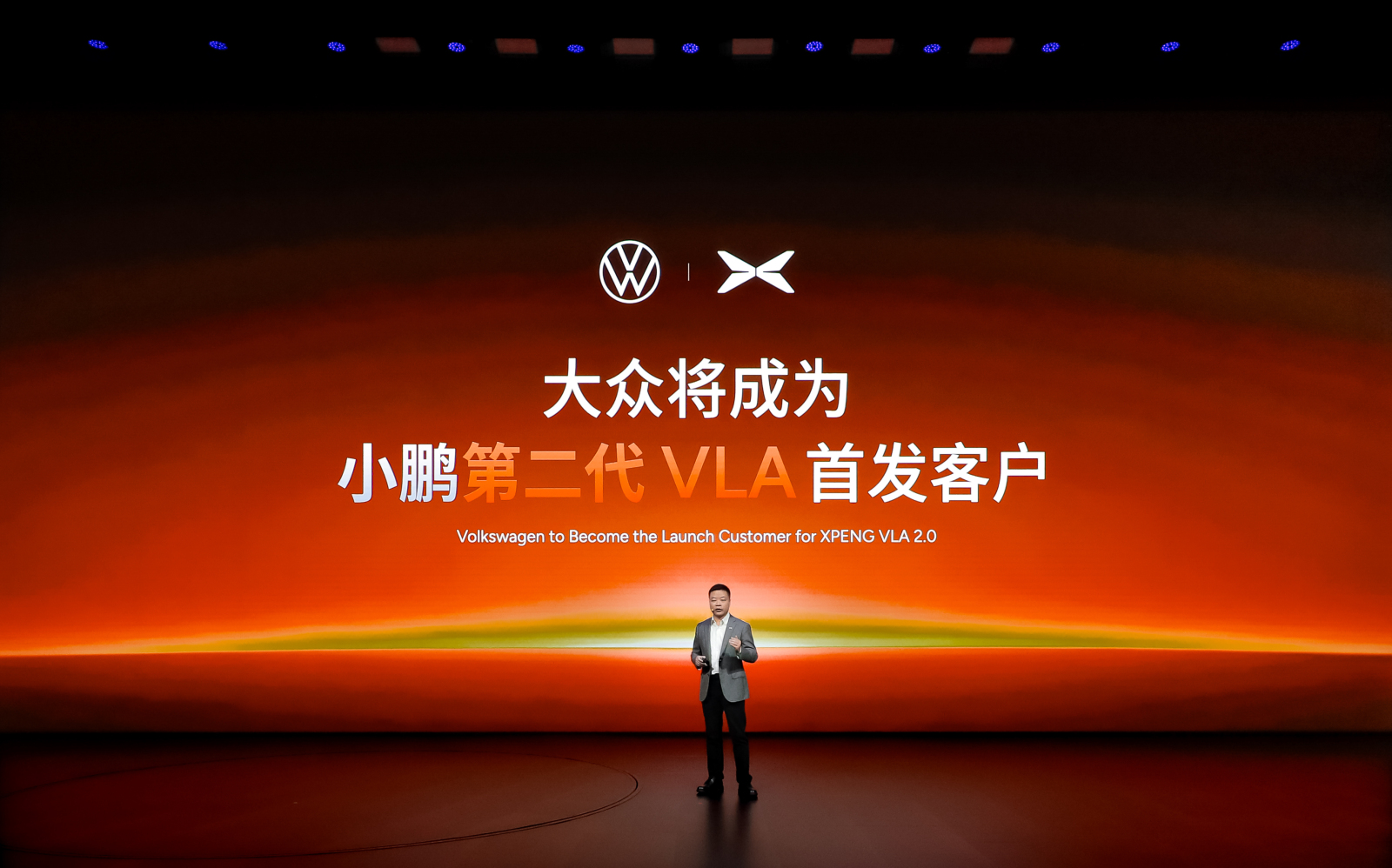
XPENG's Robotaxi equipped with the VLA 2.0 has begun public road testing, and trial operations are scheduled to commence later this year. As part of its global deployment, XPENG will soon initiate international road testing, with global deliveries of VLA 2.0 planned for 2027. Volkswagen will serve as the first customer for XPENG's VLA 2.0 in the Chinese market.
Unlike traditional modular autonomous driving stacks, VLA 2.0 integrates perception, reasoning, and action within a unified AI foundation model designed to improve cross-scenario generalization while reducing reliance on high-definition maps and rigid rule-based systems.
The system interprets complex real-world environments and responds with driving behaviors that increasingly resemble those of experienced human drivers. Early testing has demonstrated robust performance in dense urban environments and mixed-traffic conditions.
With VLA 2.0, XPENG aims to enhance the comfort and confidence of intelligent driving, creating a smoother, more enjoyable experience for every journey. The system is engineered to identify complex scenarios—such as erratic vehicles, accident scenes, and uneven road surfaces—and respond proactively to support safer, more dependable driving performance.
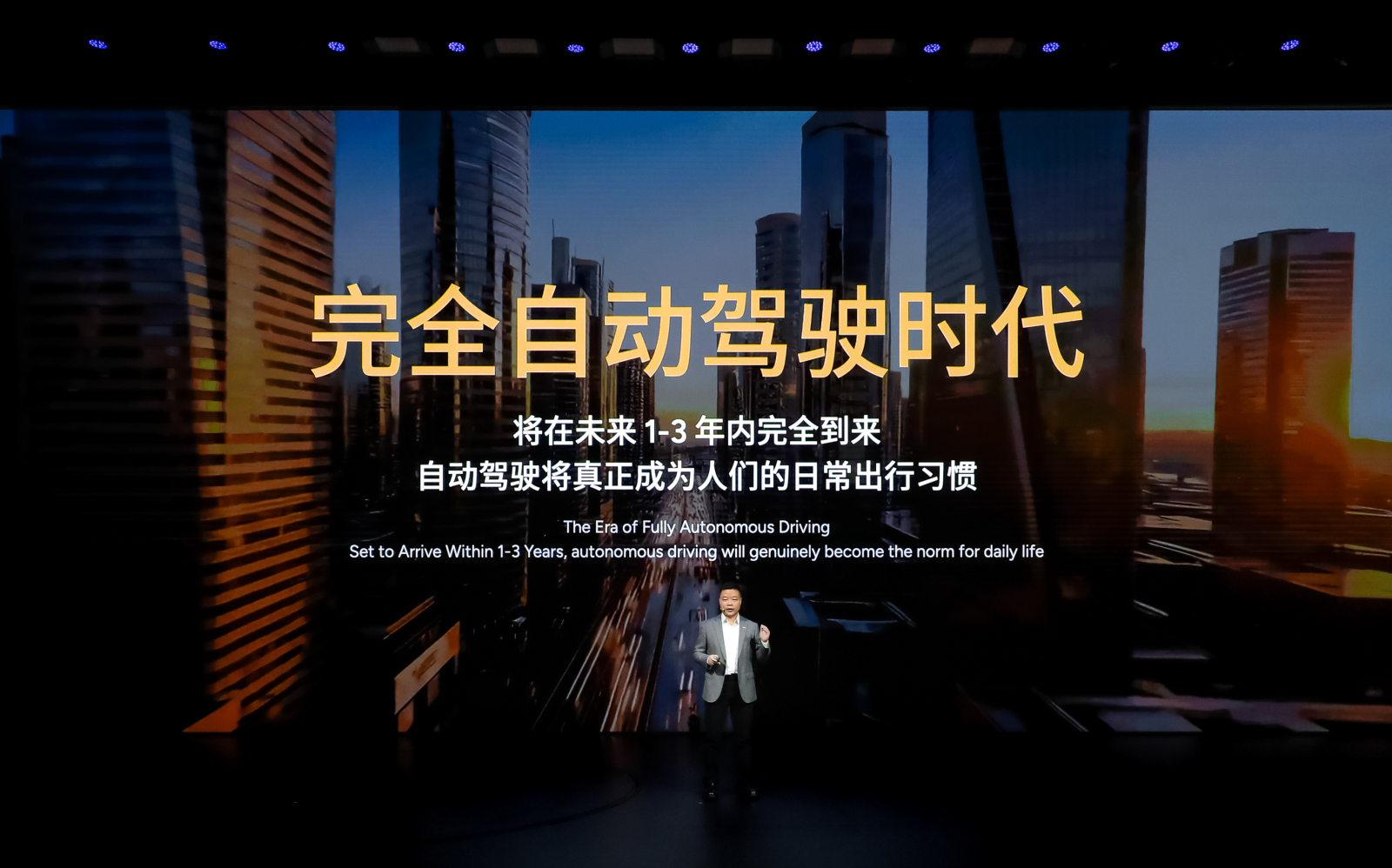
He Xiaopeng said: "XPENG's VLA 2.0 is the first version designed to achieve full autonomous driving and will iterate at an unprecedented pace. We believe that full autonomy will arrive within the next one to three years, making autonomous driving a natural part of people's daily travel."
The full-scenario capabilities of XPENG VLA 2.0 enable true "driving-anywhere." XPENG's VLA 2.0 covers campus lanes, rural dirt roads, and non-navigable routes, and handles complex conditions such as narrow lane passage and potholes avoidance with confidence. XPENG's VLA 2.0 also supports starting from a standstill, delivering a genuine "full-process assisted driving" experience.
In addition to its safety and stability, XPENG’s VLA 2.0 has improved driving efficiency by 23%. In measured tests during Guangzhou’s evening rush hour, its traffic efficiency exceeded that of traditional L2 intelligent driving systems and Robotaxi models, achieving performance comparable to experienced human drivers.
Next-Generation AI Driving Architecture
The VLA 2.0 system represents a major architectural evolution in AI-driven driving technology. Traditional VLA models operate through a sequential vision–language–action pipeline, in which visual perception is translated into language-based reasoning before generating vehicle actions.
XPENG's VLA 2.0 introduces an end-to-end vision-to-action architecture that enables the system to translate perception directly into driving decisions, removing intermediate translation layers and improving both efficiency and response speed.
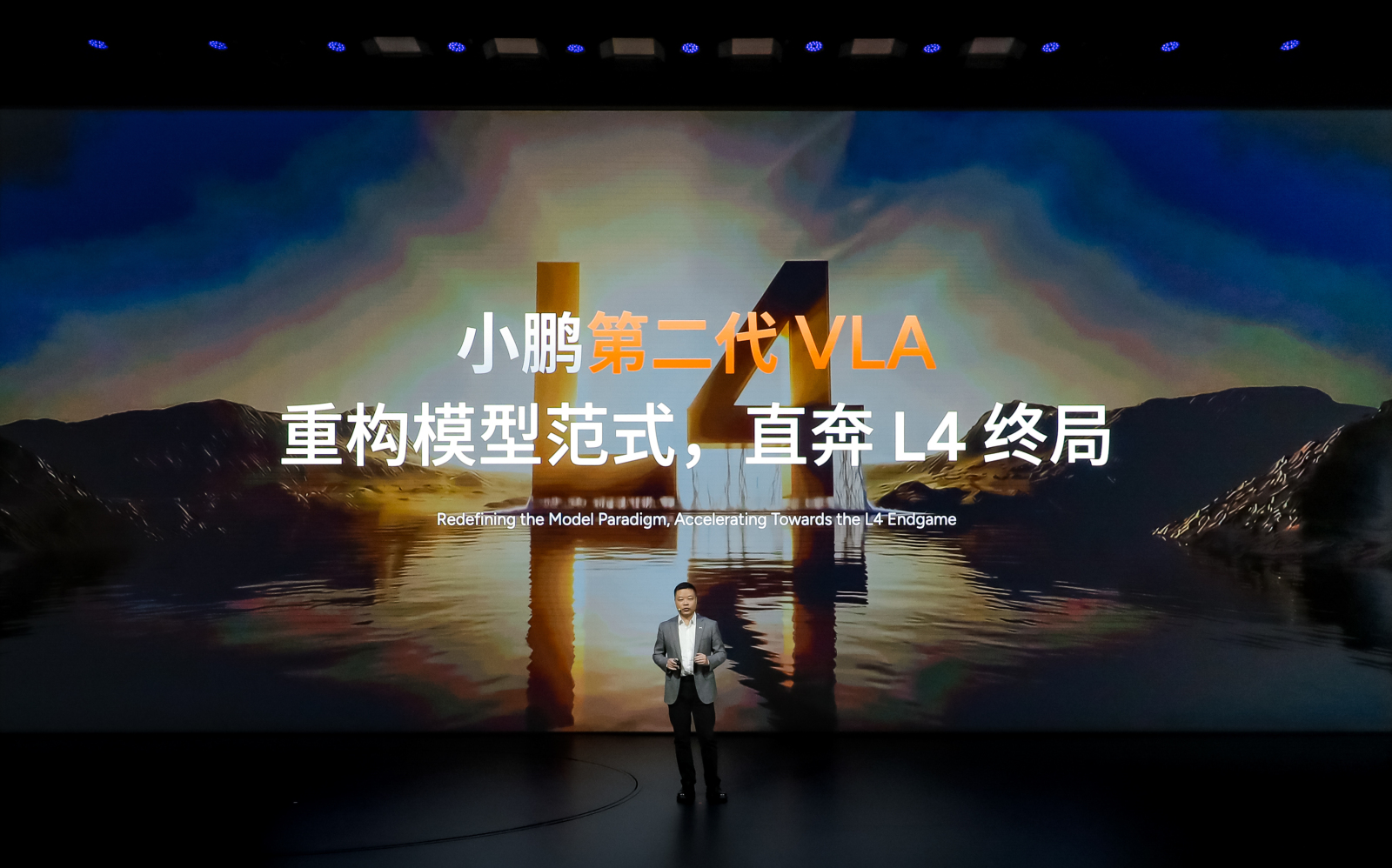
Extending AI Beyond Vehicles
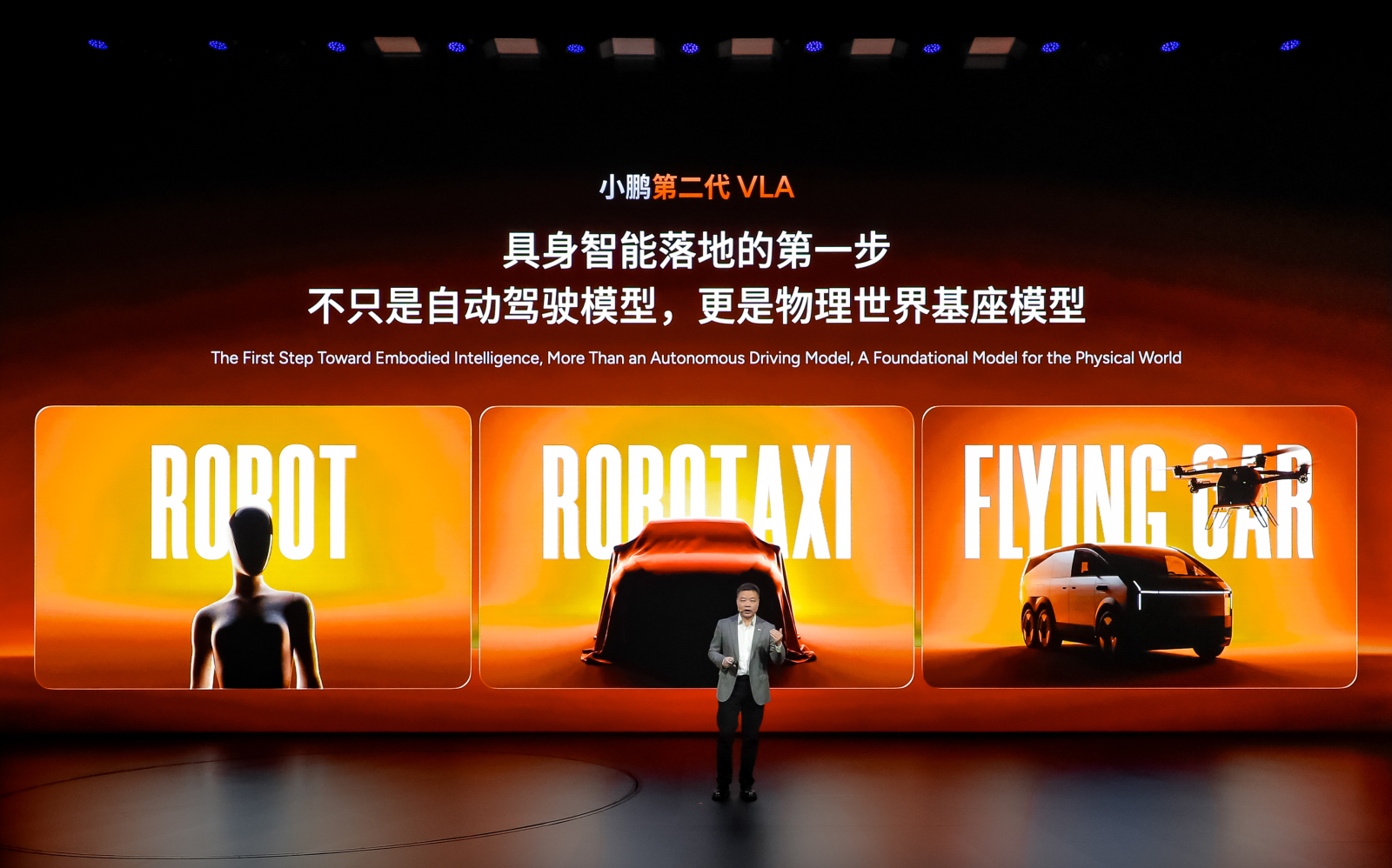
XPENG also stated that the AI foundation model behind VLA 2.0 is designed to extend beyond passenger vehicles. The same underlying architecture is being applied across multiple embodied AI platforms, including Robotaxi fleets, humanoid robots and modular flying vehicle systems.
These initiatives form part of XPENG's broader Physical AI strategy aimed at building a unified AI foundation capable of powering intelligent machines operating in real-world environments.
Disclaimer:
- This press note includes future statements.
- VLA 2.0 remains a supervised intelligent driving system and that the commercialization of higher levels of automation will progress in accordance with evolving regulatory frameworks around the world.
- The company did not disclose a specific timeline for fully autonomous commercial deployment but noted that intelligent driving capabilities are expected to expand progressively as global regulatory environments mature.
- The system is powered by XPENG’s proprietary Turing AI chip, which provides up to 2,250 TOPS of effective computing power per chip. With multiple chips deployed in each vehicle, the platform significantly increases model inference efficiency and enables the deployment of large-scale AI models in production vehicles.
---
About XPENG
Founded in 2014, XPENG is a leading Chinese AI-driven mobility company that designs, develops, manufactures, and markets Smart EVs, catering to a growing base of tech-savvy consumers. With the rapid advancement of AI, XPENG aspires to become a global leader in AI mobility, with a mission to drive the Smart EV revolution through cutting-edge technology, shaping the future of mobility.
To enhance the customer experience, XPENG develops its full-stack advanced driver-assistance system (ADAS) technology and intelligent in-car operating system in-house, along with core vehicle systems such as the powertrain and electrical/electronic architecture (EEA). Headquartered in Guangzhou, China, XPENG also operates key offices in Beijing, Shanghai, Silicon Valley, and Amsterdam. Its Smart EVs are primarily manufactured at its facilities in Zhaoqing and Guangzhou, Guangdong province.
XPENG is listed on the New York Stock Exchange (NYSE: XPEV) and Hong Kong Exchange (HKEX: 9868).
For more information, please visit https://www.xpeng.com/.
Contacts:
For Media Enquiries:
XPENG PR Department
Email: pr@xiaopeng.com
Source: XPENG Motors