



 Global
 China
China Austria
 Australia
 Bahrain
 Belgium
 Colombia
 Denmark
 Deutschland
 España
 مصر
مصر France
 Greece
 Guatemala
 Hong Kong
 Ireland
 Ísland
 מדינת ישראל
 Luxembourg
 México
 Netherlands
 New Zealand
 Norge
Norge Portugal
 Singapore
 Sverige
 ไทย
ไทย UAE
UAE United Kingdom
 Poland
 Philippines
 Qatar
Qatar Switzerland
 Uruguay
Difference Between SUV and Crossover: What's the Best Choice for Your Needs?
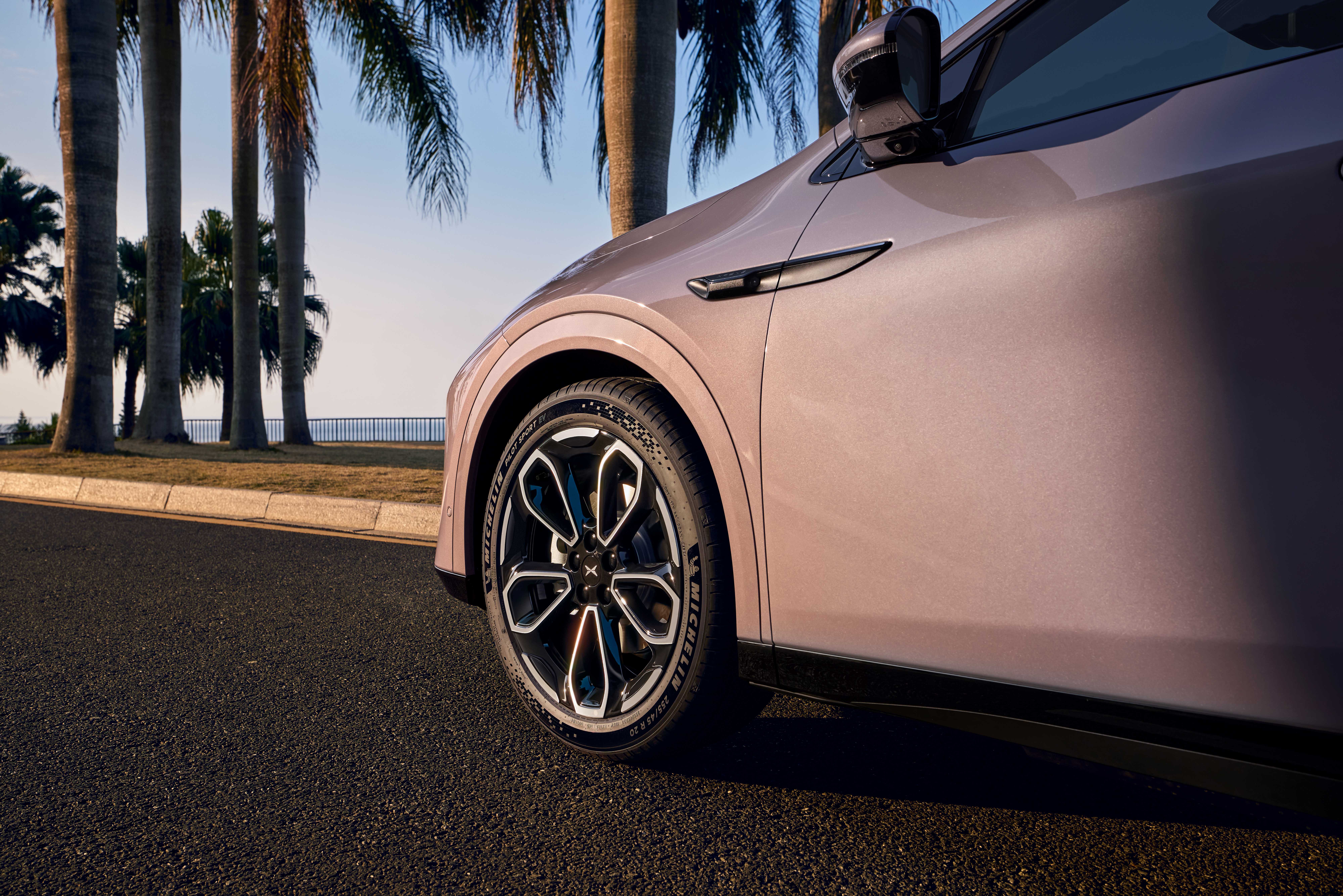
In the automotive market, the enthusiasm for SUVs and crossovers continues to grow. Both offer a raised driving position and versatile interior space, but they serve different purposes. The key difference comes down to this: SUVs are built for capability across varied terrain, while crossovers are designed for comfort and efficiency on paved roads. Understanding this distinction is the first step toward choosing the right vehicle for your lifestyle.
Origins and Evolution: Where Do SUVs and Crossovers Come From?
The SUV (Sport Utility Vehicle) has its roots in the United States. It was designed to meet the needs of drivers seeking a robust, off-road vehicle. Initially built on truck chassis, these types of vehicles feature a reinforced structure. With powerful driven wheels, they demonstrate versatility, allowing them to drive on varied surfaces. Over time, the best SUVs have gained refinement. They now combine a spacious cabin and numerous technological features.
Crossovers emerged in the 1990s to bridge the gap between SUVs and traditional sedans. They offer a compromise between the height and interior of the former, and the agility of the latter. Better suited to cities, these vehicles have become a reference, particularly in the era of new electric cars. They reduce consumption and optimise urban driving.
Construction and Design: What Really Distinguishes SUVs and Crossovers
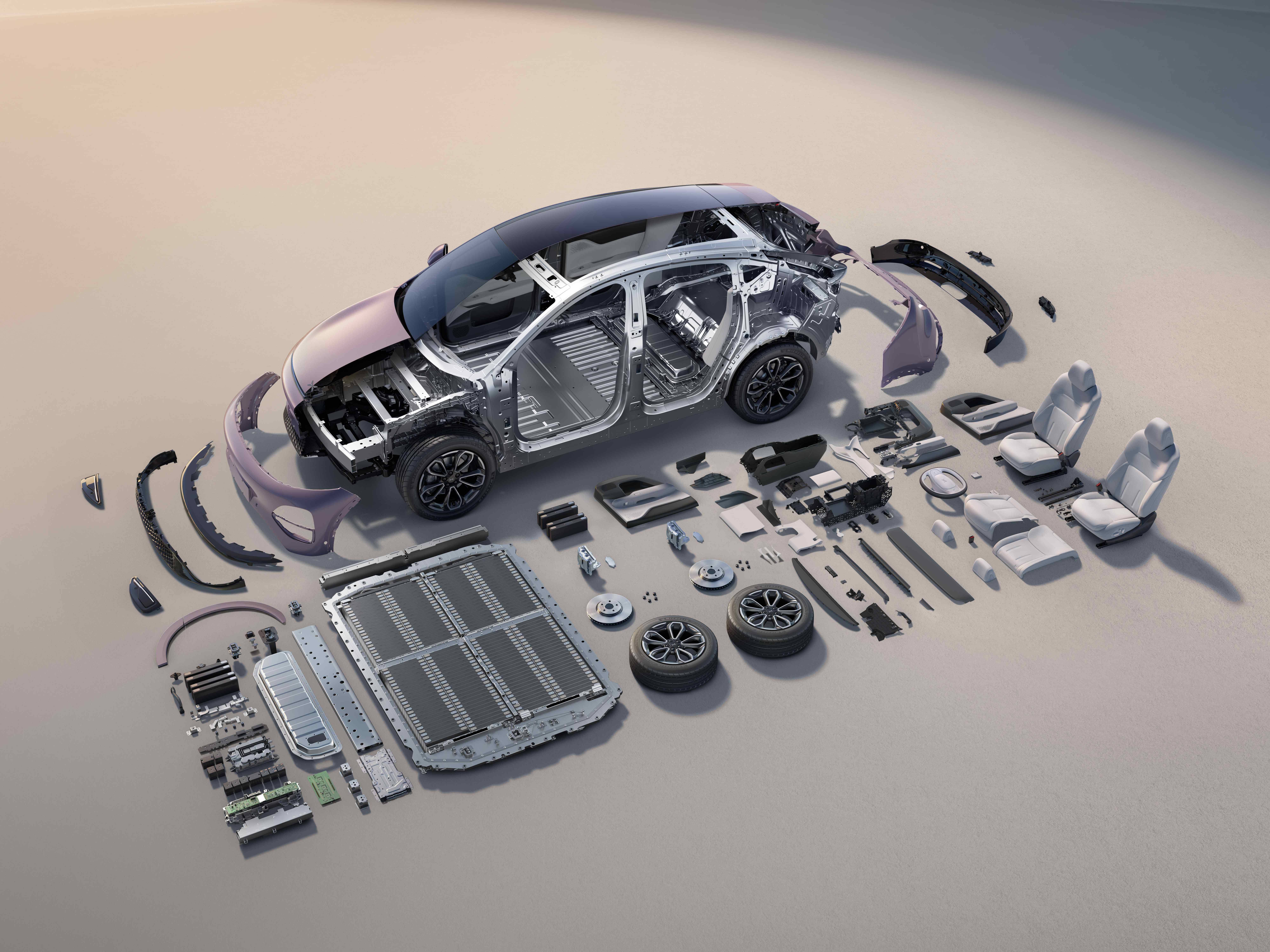
SUVs and crossovers are distinguished above all by their design. SUVs are better suited to difficult terrain thanks to their reinforced structure and high ground clearance. Their robust design allows them to offer great off-road capability and better stability in extreme conditions. Moreover, they are often equipped with all-wheel drive, allowing them to tackle rough surfaces and challenging weather conditions.
Crossovers, on the other hand, lean towards a more urban approach. Lighter and optimised for energy efficiency, they ensure smooth and responsive driving. In the electric version, they are particularly appreciated for their manoeuvrability, especially in terms of silence and smoothness.
In terms of design, both categories now share modern, aerodynamic lines. However, SUVs tend to project a more imposing, rugged stance, while crossovers lean toward sleeker, more car-like proportions.
With the rise of electric technology, the choice of your new electric car becomes strategic. A lighter design helps optimise range, while robustness favours versatility and safety.
Performance and Usage: Which Vehicle for Which Need?
Each vehicle is intended for a specific use. SUVs and crossovers are no exception.
SUVs are designed to tackle demanding conditions thanks to their power and advanced traction. Equipped with high-performance transmissions and motors, they adapt to snowy roads, steep paths, and rough terrain. Their robust structure makes them ideal for family travel and carrying heavy loads.
Conversely, crossovers are designed for more economical driving. Light and agile, they offer optimised energy consumption, especially with hybrid and 100% electric powertrains. With appreciable comfort, they are mainly intended for highway and urban use.
The choice also depends on the driver's profile. Premium SUVs appeal to large families seeking space and safety. Adventure enthusiasts will also appreciate this versatile vehicle. Crossovers are aimed at city dwellers looking for a practical and manoeuvrable model.
With the rise of electric powertrains, manufacturers are seeking to offer the electric vehicle with the best range. An alternative to conventional powertrains, XPENG electric SUVs integrate innovative options for comfort and driver assistance.
XPENG New G6: Innovation at the Service of Mobility
XPENG is pushing the boundaries of electric mobility with exceptional premium SUVs adapted to multiple uses.
Lighter and more aerodynamic than a conventional SUV, it approaches a crossover with smooth driving and optimised consumption, with a WLTP range up to 535 km.
Choosing between a premium SUV and a crossover depends above all on your needs. The SUV offers superior capabilities for tackling all types of terrain, while the crossover prioritises manoeuvrability. To meet diverse needs, XPENG offers innovative models with the compact New G6 SUV, which is closer to crossovers. Want to discover them in detail? Book a test drive on our website!
Disclaimer:
WLTP range and performance figures are for reference. Actual results vary with driving conditions, configuration, and environment.


