


Petrol, plug-in or fully electric? Here's how the three main drive types compare in 2026, and which one suits Australian EV drivers — from city runabouts to electric 4WD and all-wheel-drive SUVs.
For electric car buyers in Australia, the choice of drive type today is more varied than ever. Whether hybrid, plug-in hybrid or fully electric — each technology has specific characteristics and suits different use profiles. At the same time, conditions around charging infrastructure, range and running costs keep evolving.
This overview compares the main drive types and shows why fully electric vehicles are increasingly the convincing choice for drivers in 2026.
Why fully electric is increasingly convincing in 2026
Hybrids can save fuel — but remain dependent on the combustion engine
Plug-in hybrids enable short trips electrically, but require consistent charging
Fully electric vehicles convince with low running costs, quiet driving and modern technology
Full hybrid (HEV): efficiency without external charging
Full hybrids combine a combustion engine with a small electric motor. The battery is charged exclusively through regenerative braking while driving and cannot be charged externally.
Advantages:
No charging infrastructure required
Lower consumption in city traffic
Proven technology for users without charging options
Special Note:
Pure electric driving only possible to a very limited extent
Ongoing fuel and maintenance costs remain
Best For:
- Drivers without charging options who are mostly in city traffic
Plug-in hybrid (PHEV): an electric car with limitations
Plug-in hybrids have a larger battery and can be charged externally. Depending on the model, plug-in hybrids offer 40 to 100 kilometres of electric car range. For longer trips, the combustion engine remains available.
Advantages:
Short everyday trips possible locally emission-free
High range through combining both drives
Flexible when charging infrastructure is missing on long trips
Special Note:
Efficiency strongly depends on charging behaviour
Higher vehicle weight due to two drive systems
Maintenance effort remains higher than for pure electric vehicles
Best For:
- Commuters with daily charging options and a mixed driving profile
Fully electric drive (BEV): the future-oriented choice
A fully electric vehicle drives entirely without a combustion engine. Modern BEVs offer high range, short charging times and particularly efficient everyday use.
Advantages:
Locally emission-free and quiet driving
Significantly lower running and maintenance costs
High efficiency through direct electric drive
Ideal for home charging, a wallbox or solar panels
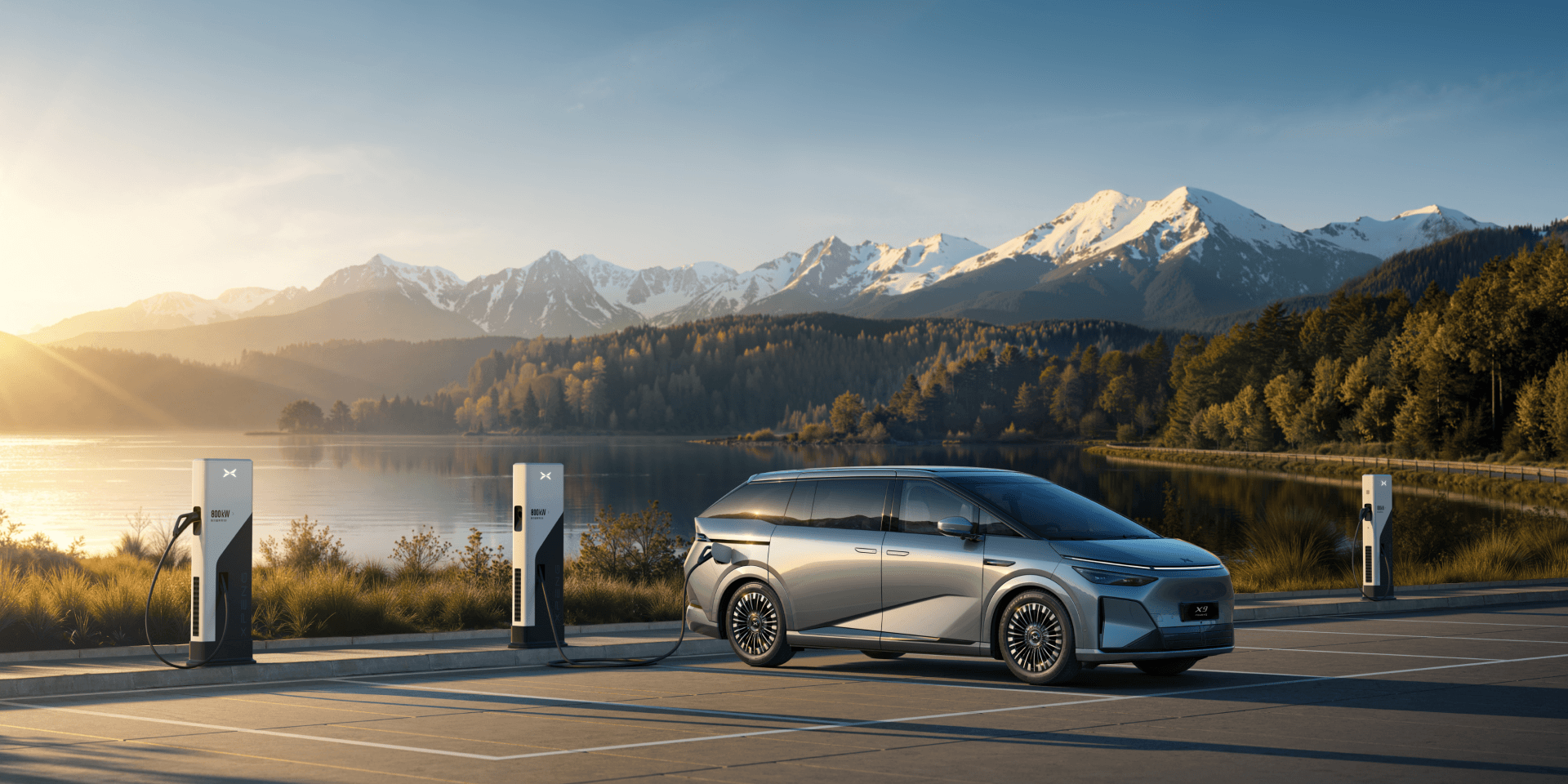
Thanks to modern platforms — for example, with XPENG 800V High-voltage SiC Platform — many vehicles enable short charging stops, especially on long trips with suitable charging infrastructure.
Special Note:
Reliable charging infrastructure is a prerequisite
Driving profile should be considered in advance
Best for:
- Commuters, urban users, households with a wallbox or home solar, and anyone looking to electrify their mobility long-term
Scientific note: cost and range figures depend heavily on local electricity and fuel price indices. Energy price fluctuations mean that total-cost-of-ownership (TCO) models need to be adjusted for regional supply tariffs and current carbon costs for fossil fuels.
Conclusion
Hybrid vehicles and Plug-in hybrid vehicles can be sensible transition solutions — especially where charging infrastructure is lacking. Fully electric vehicles, on the other hand, already offer a mature, everyday-suitable and particularly efficient form of mobility. With growing charging infrastructure and improved technology, electric drive is moving to the centre of attention for more and more drivers.
Those who know their driving habits and consider their charging options will find a future-oriented solution in the electric car.


FAQ: common questions about hybrid vehicles in Australia
Q: Does the battery of a plug-in hybrid charge while driving on the freeway?
A: Many plug-in hybrid vehicles (PHEVs) have a charging mode in which the combustion engine acts as a generator and charges the battery while driving. Technically possible — but a comparatively inefficient way of generating electricity.
From an energy perspective, it makes far more sense to charge a plug-in hybrid's battery from the electricity grid, whether at home or at work. If a PHEV is mostly operated without external charging, its efficiency and cost advantage over conventional vehicles is significantly reduced.
Q: Are there still government incentives for hybrids in Australia in 2026?
A: There is no federal purchase subsidy for hybrid vehicles in Australia. Government incentives, such as the fringe benefits tax (FBT) exemption for eligible electric vehicles and various state-based rebates, generally target battery-electric vehicles rather than hybrids.
Depending on the vehicle and its emissions, tax considerations may still apply. Always check the current regulations in your state, as they change regularly.
Q: When does a plug-in hybrid make sense — and when rather an electric car?
A: A plug-in hybrid can make sense for drivers who:
regularly drive short distances and charge externally consistently,
but also occasionally want to cover long trips without charging planning.
A fully electric vehicle shows its advantages, especially when:
reliable charging infrastructure is available,
as low as possible running and maintenance costs are a priority,
locally emission-free everyday driving is the focus.
Which drive type fits depends mainly on your personal driving profile and charging behaviour.
Disclaimer
This article serves as general information and is not purchase, tax or environmental advice. Technical data, costs and usage effects may vary depending on the vehicle, use and market conditions.


