


Are Electric Cars Quieter Than Gas Cars When Driving?
Key Takeaways
Electric vehicles are significantly quieter than gas cars at low city speeds because they lack a combustion engine.
Safety regulations require EVs to emit an artificial warning sound (AVAS) at speeds up to approximately 20 km/h to protect pedestrians.
At higher speeds, tyre friction and aerodynamic wind resistance become the dominant sources of noise for both EVs and gas cars.
Because EVs are heavier, they can generate noticeable tyre rolling noise, making them sound similar to gas cars on the highway.
The lack of a loud engine means tyre and wind sounds are more noticeable inside the cabin, requiring specialised acoustic insulation.
When choosing a new vehicle in Australia, many buyers ask: why electric cars? A major reason is the promise of quiet cars that reduce stress on the road. Electric cars are significantly quieter than gas cars at low speeds, but the difference disappears on the highway.
Because battery electric cars lack a mechanical engine, they produce almost zero powertrain noise in city traffic. However, at speeds above 30 km/h, the primary source of sound for any vehicle shifts to tyre friction against asphalt and wind resistance.
Since electric cars are generally heavier than gas cars, their tyres generate comparable rolling noise. As a result, an EV cruising on the motorway produces a similar amount of exterior noise as a traditional car — a key point for anyone comparing electric cars in Australia.
How Do Electric Vehicles Sound at Low Speeds?
At low speeds, the electric motor is virtually silent compared to the mechanical combustion of a gas engine. To ensure pedestrian safety in city environments, relevant regulations require these otherwise silent cars to emit an artificial hum.
A gas car generates noise as soon as it turns on through controlled mechanical explosions and exhaust systems. An electric motor generates forward motion through electromagnetism, which produces almost no audible frequency.
To prevent completely silent cars from surprising pedestrians or cyclists, international regulations mandate an Acoustic Vehicle Alerting System (AVAS).
This system plays a continuous, synthesised sound through exterior speakers from 0 to 20 - 30 km/h. Once the vehicle exceeds 30 km/h, the AVAS automatically deactivates, as the natural physical sounds of the moving vehicle become loud enough to serve as a warning.
How Does Vehicle Speed Change the Sound Profile?
As speed increases, the noise from the powertrain is overpowered by the physical elements of driving. For both EVs and gas cars, the sound profile of car noise while driving transitions heavily toward aerodynamic drag and tyre friction.
Understanding vehicle acoustics requires looking at how different forces interact at different speeds.
Driving Speed | Primary Noise Source (Gas Car) | Primary Noise Source (EV) |
0 – 30 km/h | Engine and Exhaust | AVAS (Artificial Warning Sound) |
30 – 80 km/h | Engine and Tyre Rolling Friction | Tyre Rolling Friction |
Above 80 km/h | Wind Drag and Tyre Friction | Wind Drag and Tyre Friction |
EVs carry high-voltage battery packs, so they weigh more than their combustion counterparts. This added weight presses the tyres harder against the road, which increases the rolling resistance and the resulting tyre noise.
At highway speeds, an electric car generates exterior noise pollution that is nearly identical to a traditional car.
Are EVs Quieter Inside the Cabin?
In a gas car, the constant low-frequency rumble of the engine effectively covers up minor road noises. When you remove the engine from the equation, human ears naturally tune into the remaining sounds.
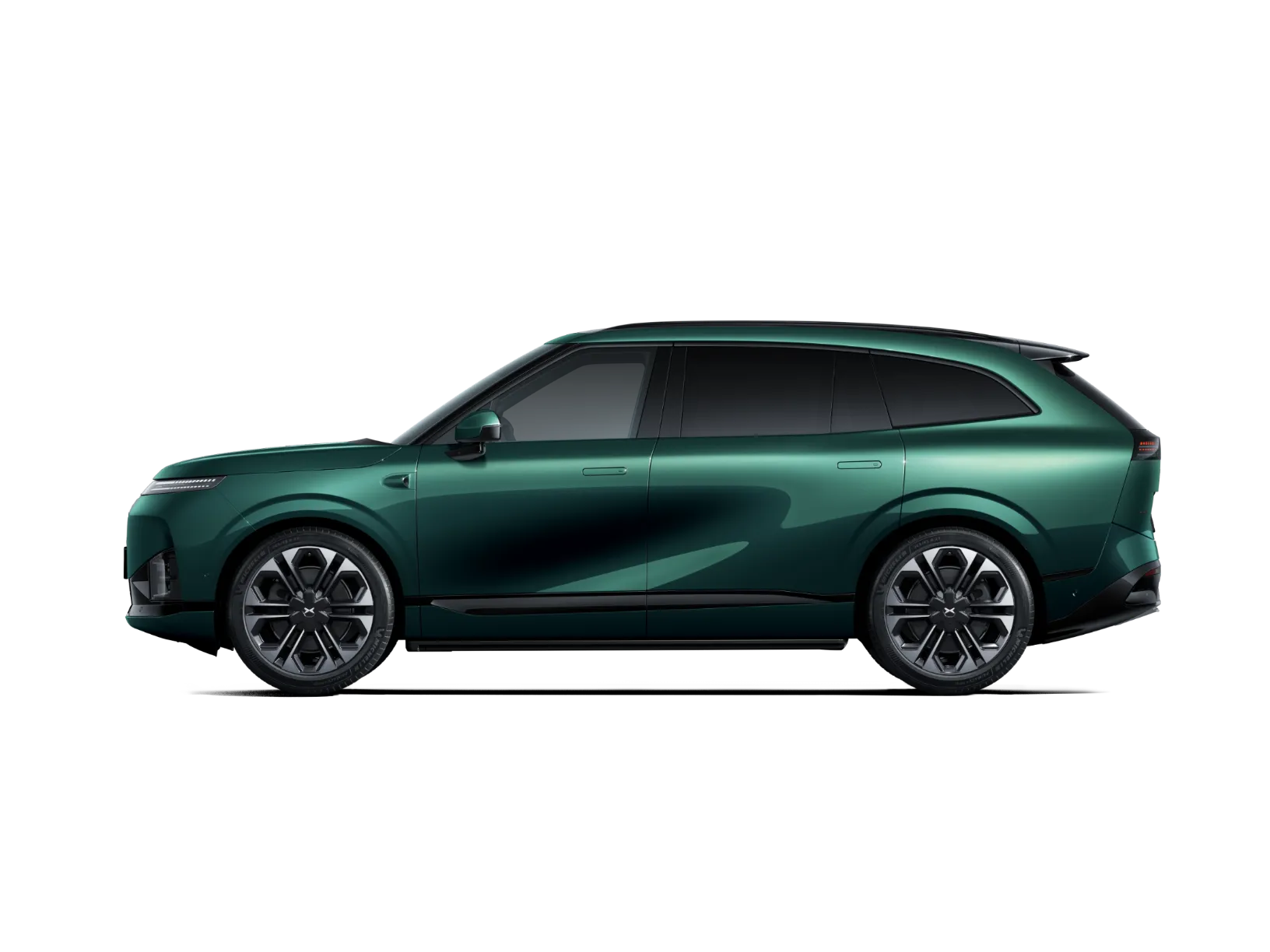
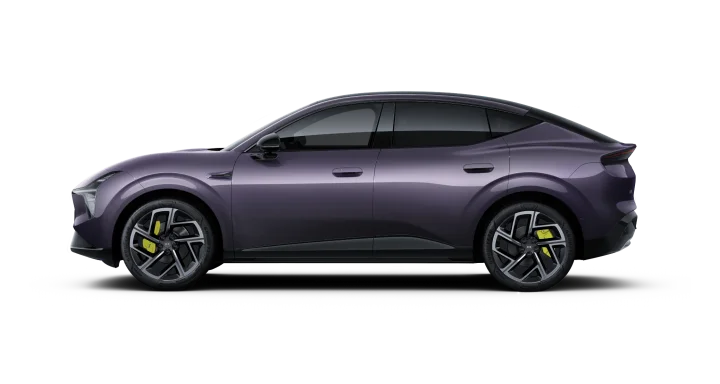
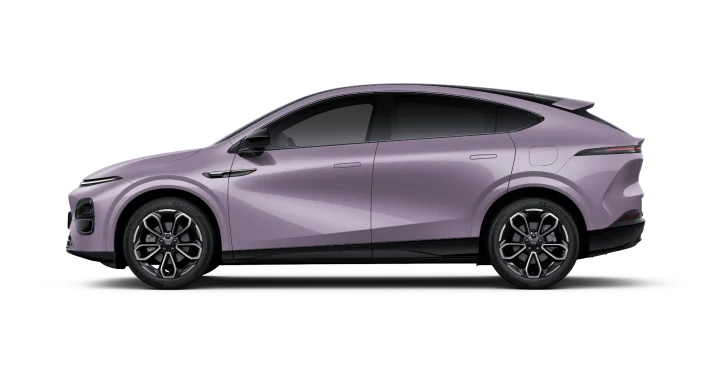
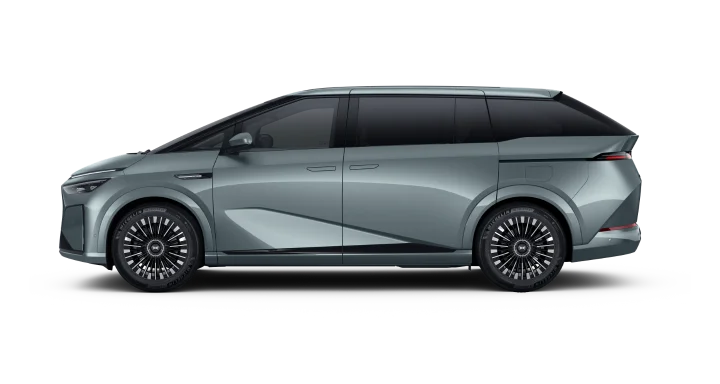
Drivers often notice the sound of the tyres slapping against road seams or the wind rushing over the side mirrors. To ensure a premium driving experience, EV manufacturers like XPENG — one of Australia's leading Chinese EV brands — utilise dual-pane acoustic glass and heavy sound-deadening materials in the floorpan.
Furthermore, EV-specific tyres are frequently lined with a layer of polyurethane acoustic foam on the inside to absorb cavity vibrations before they reach the cabin.
Conclusion
Transitioning to an EV provides a calmer, quieter driving experience in urban environments and stop-and-go traffic. Want a quieter, more comfortable driving experience? For electric vehicle owners in Australia, XPENG has you covered.


