


Can I Leave the Car Engine Running in a Car Wash?
Key Takeaways
Electric vehicles do not have a traditional engine, but the vehicle system must remain active in a conveyor car wash.
Turning the vehicle off completely activates the electronic parking brake, which can cause severe damage on a moving conveyor belt.
The gear selector must be set to Neutral (N) to allow the wheels to roll freely.
XPENG drivers can configure an X-Combo in the app to create an automated Car Wash Mode.
Always disable automatic wipers and close all windows before entering the wash tunnel.
A common question for new electric vehicle drivers in Australia is: car wash — engine on or off? Since battery electric cars lack a combustion engine, there is no motor to leave running.
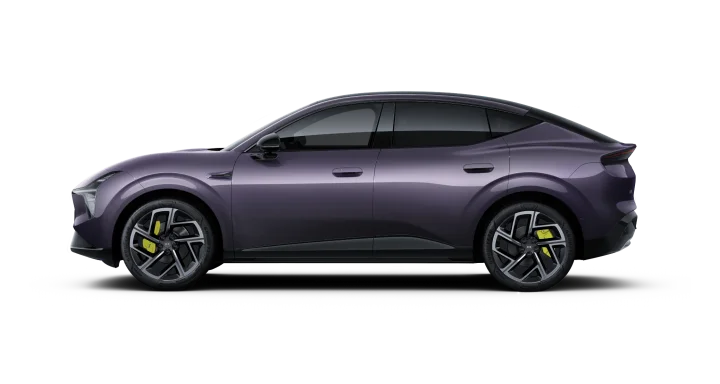
However, you must keep the vehicle system active when entering a conveyor belt car wash. Completely shutting off a modern EV like the XPENG NEW G6 automatically engages the electronic parking brake and locks the wheels, which can cause severe damage on the moving track. To ensure a safe wash, keep the system active, shift into Neutral (N), and disable automatic wipers.
Why Must the Vehicle System Remain Active on a Conveyor Belt?
Modern electric vehicles utilise automatic safety systems like AutoHold and electronic parking brakes. If you follow the outdated rule of switching the engine off in a car wash, these systems instantly lock the wheels to prevent accidental rolling.
In a traditional conveyor car wash, a mechanical floor track physically pulls your vehicle forward through the cleaning tunnel. For this track to function without interruption, the wheels must spin freely.
If you shut off the power entirely, the vehicle immediately engages the "Park" (P) gear. This halts the wheels instantly. Car wash operators frequently warn that locked wheels will cause the vehicle to stall on the moving belt. As a result, the car behind you could collide with your rear bumper, or the conveyor mechanism itself might sustain heavy damage. Keeping the system on prevents these automatic safeguards from triggering unexpectedly.
How Do I Prepare My XPENG for an Automatic Car Wash?
You need to set the gear to Neutral (N) with AutoHold disabled, and ensure all automatic exterior sensors are turned off. XPENG drivers can simplify this routine before a car wash by configuring a custom X-Combo to automate the adjustments.
To safely prepare the vehicle, follow these specific hardware and software adjustments before the belt catches your tyres:
Shift to Neutral (N): This allows the tyres to roll naturally with the track.
Deactivate automatic wipers: High water pressure triggers active rain sensors. If the wipers engage mid-wash, the heavy brushes can snap the wiper arms.
Disable AutoHold: Turn off the feature that holds the brakes at a standstill.
Fold exterior mirrors: Retract the mirrors to prevent the spinning brushes from bending or breaking them.
Close all windows and the charge port: Ensure the vehicle is fully sealed against water intrusion.
Instead of manually adjusting these settings one by one, the XPENG operating system offers a streamlined approach. You can set up an X-Combo that groups these actions together. A single tap activates your personalised Car Wash Mode, establishing a predictable routine before entering the tunnel.
Is the High-Voltage Battery Safe in a Car Wash?
Yes, the high-voltage electrical components in an EV are completely sealed and heavily shielded against water ingress. You can confidently take an electric vehicle through any standard commercial car wash facility.
Many new EV drivers in Australia worry about mixing electricity and heavy water spray. Automakers design modern electric vehicles with strict ingress protection ratings, particularly for the battery pack mounted in the floor.
The underbody components are insulated and tested against extreme weather conditions, including deep puddles and high-pressure washing. The charging port cover is also heavily weather-sealed. As long as the port door is securely closed before the wash begins, water cannot enter the charging terminals. There is no risk of electrocution or electrical shorting during a standard wash cycle.
Conveyor Wash vs. Self-Service Car Wash: What is the Difference?
A conveyor wash physically pulls your vehicle through a tunnel, meaning the car must roll freely in Neutral (N).
A self-service car wash or stationary portal wash requires the vehicle to be locked securely in Park (P).
When using a stationary wash or a self-service car wash, the vehicle must remain completely still. For this setup, you shift the vehicle into Park (P) and apply the parking brake.
If you are at a self-service bay, it is practical to turn the vehicle system off entirely. This ensures you do not accidentally trigger sensors or automatic wipers while walking around the vehicle with a high-pressure lance.
When washing the car manually, maintain a safe distance with the spray wand and avoid pointing high-pressure water directly at the edges of the charging port cover to preserve the integrity of the rubber weather seals.
Always read the signage provided by the local car wash operator before pulling into the bay to ensure the safety of the vehicle.
Conclusion
Taking advantage of software features like the XPENG X-Combo creates a safer, less stressful experience for electric car owners in Australia by turning a multi-step checklist into a single command.
Ready to experience it? Try the advanced XPENG yourself — smart features from one of Australia's leading Chinese EV brands.


