



 Global
 China
China Austria
 Australia
 Bahrain
 Belgium
 Colombia
 Denmark
 Deutschland
 España
 مصر
مصر France
 Greece
 Guatemala
 Hong Kong
 Ireland
 Ísland
 מדינת ישראל
 Luxembourg
 México
 Netherlands
 New Zealand
 Norge
Norge Portugal
 Singapore
 Sverige
 ไทย
ไทย UAE
UAE United Kingdom
 Poland
 Philippines
 Qatar
Qatar Switzerland
 Uruguay
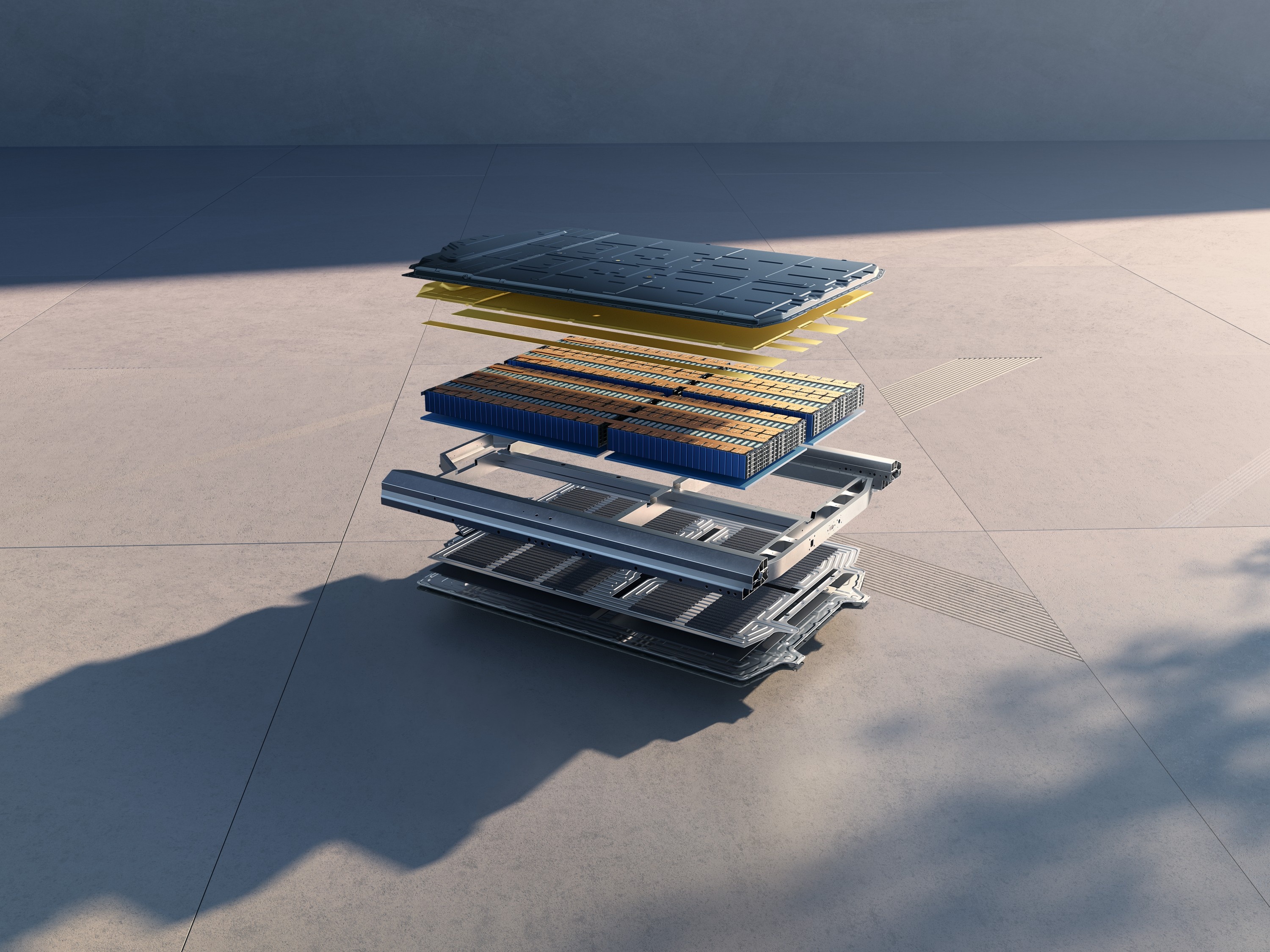
Eight years? Ten? Twenty? The answer depends on the battery chemistry and how the car is used. Here are the real numbers on EV battery lifespan — and the simple habits that keep it healthy for the long run in Australian conditions.
One of the first questions Australian buyers ask about electric cars is simple: how long does the battery actually last? If you're wondering about EV battery life in years, or how many years an electric car battery lasts, this guide has the answers. The honest answer: a modern EV battery is designed to last eight to ten years — and often well beyond. It depends on the chemistry and how the car is looked after. Here's what the numbers say.
Two chemistries, two lifespans
The battery in an electric car isn't one thing — there are different chemistries, and they age differently. Knowing the type matters more than you'd think for battery longevity. Understanding the difference is the key to battery care:
Lithium iron phosphate (LFP) batteries are rated for 2,000 charge cycles or more, which translates to a service life of over ten years in normal use. All XPENG models sold in Australia use LFP batteries.
Other lithium-ion chemistries can offer more energy density, but their lifespan is typically around eight years. The trade-off between capacity and longevity is one reason LFP has become so popular for everyday EVs — and why it suits Australian conditions, including our hot summers.
How many kilometres can a battery handle?
Cycle life is about charging, but it's useful to translate it into driving. In EV battery lifespan terms, kilometres matter as much as years. A battery that reaches around 500,000 to 600,000 km of charging cycles will typically hold roughly 60 per cent of its original usable capacity. That's still a huge amount of driving. For most owners, the battery will comfortably outlast their ownership of the car. That's still a huge amount of driving. For most owners, the battery will comfortably outlast their ownership of the car.
The habits that protect battery life
Longevity isn't just about chemistry — how you use the car matters just as much. That's where electric car battery maintenance comes in. The good news is that the habits are simple. Three habits make the biggest difference:
Don't let the battery sit flat. A battery left in a fully discharged state for a long period can be damaged. If the car will sit unused for a while, charge it first. For long-term parking, give it a charge about once a month.
Charge before the warning level. When the charge indicator shows a low level, top up sooner rather than later. Repeated deep discharge is one of the surest ways to shorten battery life.
Don't overdo the charging session. A typical slow charge takes around ten hours, and modern systems manage the process automatically. The key point is to avoid leaving the car in a deeply discharged state — the battery management system handles the rest.
Slow and steady wins
Battery health comes down to moderation: avoid deep discharge, avoid long periods at very low charge, and let the charging system do its job. Consistency beats heroics every time. These are the same principles that apply to your phone, scaled up to a large battery pack under your car. It's exactly why modern EV batteries routinely outlast the worry around them.
The bottom line
An EV battery is designed for eight to ten years of use or more, and LFP batteries push that beyond a decade. EV battery lifespan in Australia is exactly what these numbers suggest. Either way, it's a long-term investment that holds up. With sensible habits — no deep discharge, no sitting flat, regular top-ups — the battery will almost certainly outlast your time with the car and then some. That's the experience of EV owners everywhere. For Australian buyers, that's one less thing to worry about when choosing an electric car.


