



 Global
 China
China Austria
 Australia
 Bahrain
 Belgium
 Colombia
 Denmark
 Deutschland
 España
 مصر
مصر France
 Greece
 Guatemala
 Hong Kong
 Ireland
 Ísland
 מדינת ישראל
 Luxembourg
 México
 Netherlands
 New Zealand
 Norge
Norge Portugal
 Singapore
 Sverige
 ไทย
ไทย UAE
UAE United Kingdom
 Poland
 Philippines
 Qatar
Qatar Switzerland
 Uruguay
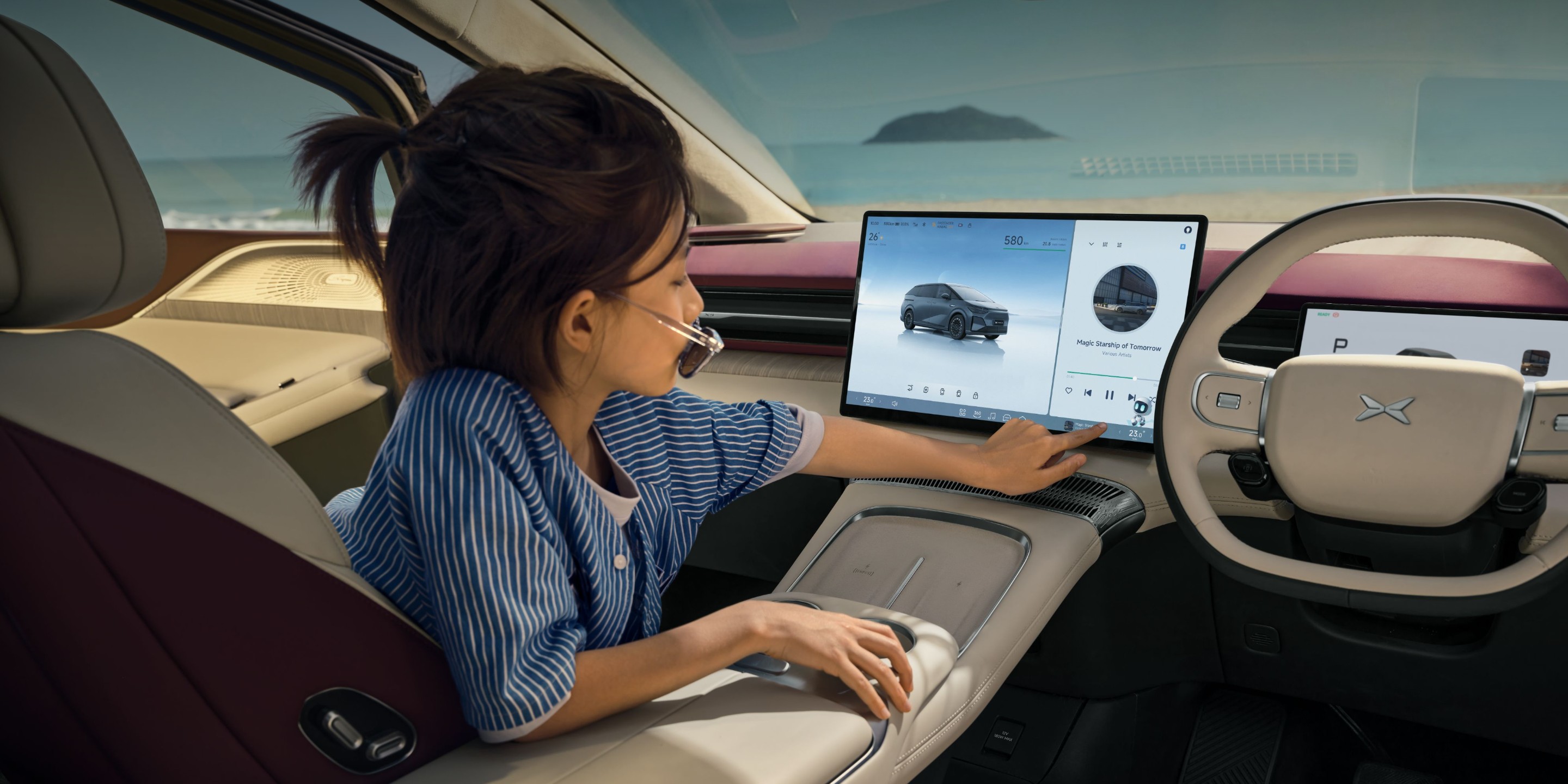
An electric car has no engine waste heat to tap into, and its air-conditioning runs on battery power. If you've wondered how EV heating works, or how an EV air conditioner cools the cabin, here's how EV climate control actually works — and why it matters for range.
Climate control is one of the few systems in an electric car that works differently from a petrol car. It also has a direct link to range. In summer it's your best friend; in winter it quietly draws on the battery. Understanding how EV heating and cooling work makes the range figures easier to read, and the car easier to live with.
How petrol cars do it first
To understand the difference, it helps to know the traditional approach. In a petrol or diesel car, the air-conditioning compressor is driven by the engine. That's why the engine works a little harder when the air-con is on. Heating is simpler still. The engine produces a lot of heat, and some of it is carried by the engine coolant into the cabin through a small heat exchanger. Free heat, effectively.
An electric car has neither of these luxuries. There's no combustion engine to drive the compressor, and no engine coolant to warm the cabin. Everything has to come from the battery.
How an EV heats the cabin
Because there's no engine waste heat, an EV uses electrical heating instead. An EV heat pump is the most efficient option, but not the only one. There are three common approaches:
Electric heating elements. Similar in principle to a fan heater or hairdryer, these heat the air directly before it's blown into the cabin. Simple and effective — but they draw power from the battery.
PTC heaters. A Positive Temperature Coefficient (PTC) heater works like a heating element with built-in regulation. As it heats up, its resistance rises, which self-limits the temperature. It's efficient, safe and widely used.
Heat pumps. The most efficient option. Instead of generating heat from electricity, a heat pump moves heat from outside air into the cabin. Even in cool weather, there's enough warmth in the outside air to extract. This makes it significantly more energy-efficient than resistance heating.
All three use battery power, which is why cabin heating affects range in cold weather. It's also why heat pumps have become so valuable for EVs in cooler climates.
How an EV cools the cabin
Cooling is closer to what you know — with one important change. The compressor in an EV air conditioner is powered by electricity, not the engine. The air-conditioning compressor is driven by an electric motor instead of the engine. In most EVs, this is a separate, dedicated motor; some designs use the car's drive motor itself. The compressor is typically a DC variable-speed unit, similar to the inverter compressor in a modern home air-conditioner. That lets it run efficiently at partial load rather than just on or off.
The result: an EV's air-con can be very efficient. And because it's powered by the battery, it affects range rather than engine performance.
The range trade-off
Every watt the climate system uses is a watt that doesn't move the car. That's the heart of the EV range and air conditioning relationship. That's why EV designers pay so much attention to climate efficiency — it's the single biggest draw on the battery after driving itself. In practice, that means:
Precondition while plugged in. Cool or heat the cabin while charging, so the energy comes from the charger, not your range.
Use the most efficient settings. A heat pump, sensible cabin temperature and recirculation all help.
Expect a winter range dip. Heating uses more energy than cooling, which is one reason winter range is lower — a normal, manageable part of EV ownership.
The bottom line
EV climate control trades the free heat of an engine for battery-powered efficiency: heating elements, PTC heaters or heat pumps for warmth, and an electric motor driving the compressor for cooling. Understand that, and you'll know exactly why your range changes with the seasons — and how to get the most from both comfort and range.


