

 Global
 China
China Austria
 Australia
 Bahrain
 Belgium
 Colombia
 Denmark
 Deutschland
 España
 مصر
مصر France
 Greece
 Guatemala
 Hong Kong
 Ireland
 Ísland
 מדינת ישראל
 Luxembourg
 México
 Netherlands
 New Zealand
 Norge
Norge Portugal
 Singapore
 Sverige
 ไทย
ไทย UAE
UAE United Kingdom
 Poland
 Philippines
 Qatar
Qatar Switzerland
 Uruguay
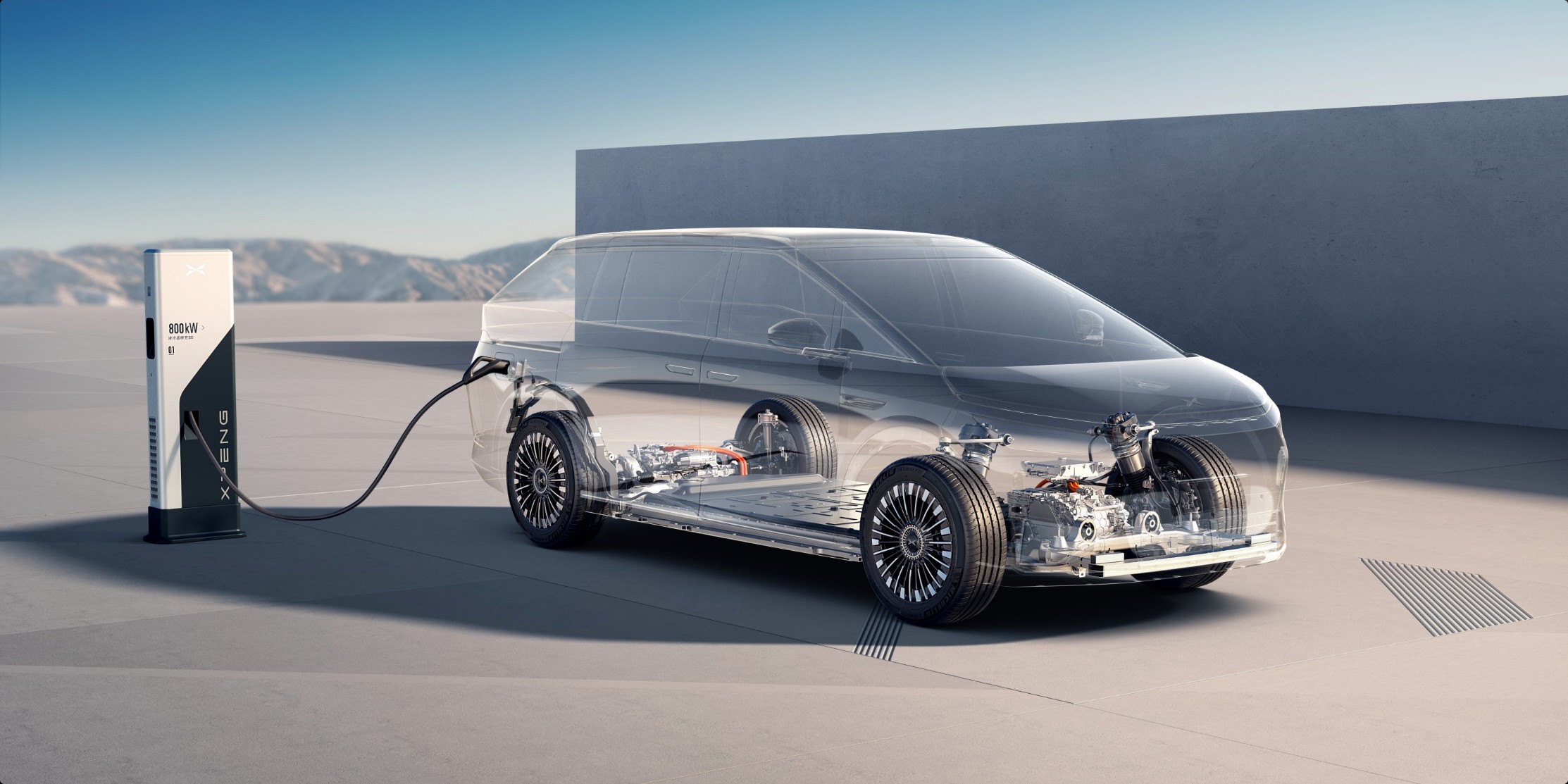
"Why is my energy consumption so high?" It's a common question from new owners — and the answer is usually simple. Here's how to get the most range out of your XPENG.
If you've just taken delivery of your electric car, you might notice the energy consumption looks higher than expected at first. That's normal. It takes a little time to adapt to the car's performance — energy use settles back to normal levels after a short run-in period. Beyond that, a few proven power-saving habits make a real difference to your range. If you're looking for ways to save battery in an electric car, or wondering how to improve EV range, these are the tips XPENG owners rate most highly. They work in summer heat and winter mornings alike.
Keep your speed steady
Sudden acceleration and heavy braking use the most energy — smooth driving is the foundation of EV efficiency. In the city, staying at or below 60 km/h is the most efficient way to drive. On the highway, use cruise control at 100 to 110 km/h. It makes a big difference to your range — and it fits neatly with Australia's motorway limits.
Use the right drive mode
If you're used to a petrol car, start with the standard drive mode and lighter energy recovery — it's a comfortable transition. If you're comfortable with the way electric cars drive, X-Pedal mode delivers even better efficiency. It's XPENG's one-pedal driving style: lifting off the accelerator slows the car and recovers energy.
Keep your tyres at the right pressure
Under-inflated tyres increase energy consumption. To find the recommended pressure, check the tyre pressure label on the B-pillar. You'll find it on the door pillar behind the driver's door.
Set the climate control wisely
The air-conditioning is one of the biggest energy users in an EV, and smart climate settings are a big part of electric car efficiency. In summer, set the climate control to around 25°C and keep the fan on the lowest or second-lowest setting. Ventilated seats give the rest — a real bonus in an Australian summer. In winter, use recirculation mode to keep warm air inside. Pair it with seat heating where fitted — it's more efficient than running the heater at full tilt.
Use assisted driving where you can
Driver assistance features are excellent at managing energy — and at improving EV efficiency on longer trips. Where conditions allow, let assisted driving handle the throttle and braking. Owners consistently report noticeably lower energy use when they do.
Why the range estimate changes: CLTC vs WLTP
Part of "saving power" is reading the numbers correctly — understanding electric car range figures is half the battle. Your XPENG can display range in two different test cycles:
CLTC is a driving cycle developed in China for light vehicles. It covers three speed ranges — low, medium and high — with a top test speed of 114 km/h. Because it doesn't include ultra-high-speed testing, CLTC range figures are usually higher than WLTP. It's a useful reference for city commuting.
WLTP is the cycle used worldwide for light vehicles, including in Australia. It covers four speed ranges — low, medium, high and extra-high — with test speeds between 46 and 131 km/h. Its results are closer to real-world driving, which makes it a more accurate figure for longer trips.
For Australian owners, the advice is simple: trust WLTP. It's the standard behind the range figures on XPENG's Australian website, and it's the closest to real-world driving. If you see a higher number quoted elsewhere, it was probably measured on the CLTC cycle — no need to worry, your car hasn't lost range.
The bottom line
High energy use in the first few weeks is nothing to worry about at all. Steady speeds, the right drive mode, correct tyre pressure and sensible climate control will all help your XPENG deliver the EV range it's capable of. Assisted driving is the bonus.