


Is It Safe to Leave Your EV Charging Overnight?
Key Takeaways
Leaving an electric vehicle plugged into a home EV wall charger overnight is completely safe and efficient, but it is advised to set a reasonable charge limit to protect the battery.
Modern battery management systems automatically halt the electricity flow once the target charge is reached.
Charging a 60 kWh battery from a standard household socket takes 24 to 40 hours.
Scheduling a charge during off-peak hours lowers electricity costs significantly.
Setting the schedule on the vehicle display requires unplugging the cable first to prevent software conflicts.
Many new EV drivers in Australia wonder if charging an electric car overnight is dangerous. Leaving an electric vehicle plugged into a home charger while you sleep is completely safe and highly recommended.
Modern vehicles feature advanced battery management systems that automatically halt the electricity flow the moment the battery reaches its target capacity. Drivers do not have to worry about overcharging or overheating when using a proper alternating current wallbox. Waking up to a fully charged vehicle remains a highly convenient aspect of electric mobility.
Why is Overnight Home Charging Safe for the Battery?
Modern battery electric cars communicate directly with a home electric car charging station to monitor temperatures and voltage. The system physically cuts the electrical connection when the target charge is reached to prevent any risk of overcharging.
A standard wallbox (230V) takes six to ten hours to fill the battery. This slow transfer of energy generates very little heat, preserving the internal cell chemistry.
The vehicle software handles the entire process without requiring human supervision. When the battery is full, the onboard charger goes into a sleep state. It will only draw tiny amounts of power if the vehicle needs to run the thermal management system or precondition the cabin before a morning commute.
How Long Does Charging from a Standard Outlet Take?
Replenishing a typical 60 kWh vehicle battery via a standard Australian household socket takes 24 to 40 hours.
Standard household outlets in Australia operate at 230 volts and deliver a charging speed between 1.4 kW and 2.3 kW. This method is exceptionally slow and serves strictly as an emergency backup rather than a daily routine.
Standard residential wiring is rarely designed to sustain continuous 6-to-10-amp electrical loads for 40 hours. This prolonged power draw presents a thermal safety risk for older homes. However, upgrading to a dedicated 11 kW wallbox provides a safer and significantly faster overnight charge.
Although Generally Safe, You Should Avoid Leaving a Fast Charger Plugged in Overnight
Direct current fast chargers push massive amounts of energy into the battery very quickly. Leaving the vehicle connected to public infrastructure after it reaches its target stresses cell chemistry and frequently incurs high idle fees.
Fast charging infrastructure exists for rapid highway replenishment of long-range electric cars. The high electrical current generates significant heat.
While the vehicle will still automatically stop charging when full, occupying a public fast charger overnight prevents other drivers from using the station. Many public networks also impose severe financial penalties for every minute the car remains plugged in after the charging session finishes.
XPENG Tips: Smart Scheduling to Optimise Your Charging Routine
Utilising smart charging allows you to plug the car in during the early evening but delays the actual electricity flow until midnight. This strategy takes advantage of cheaper off-peak electricity rates to lower running costs.
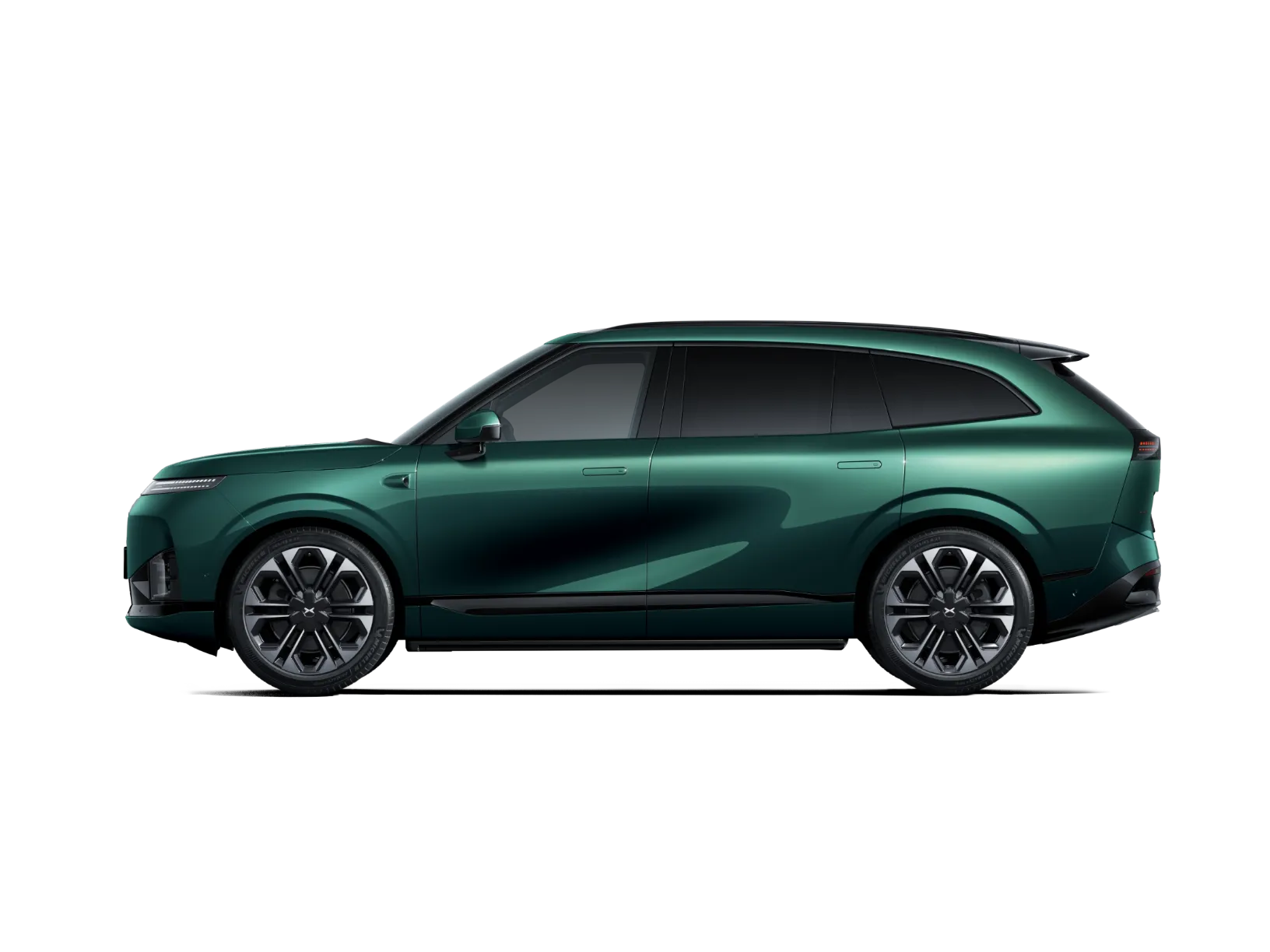
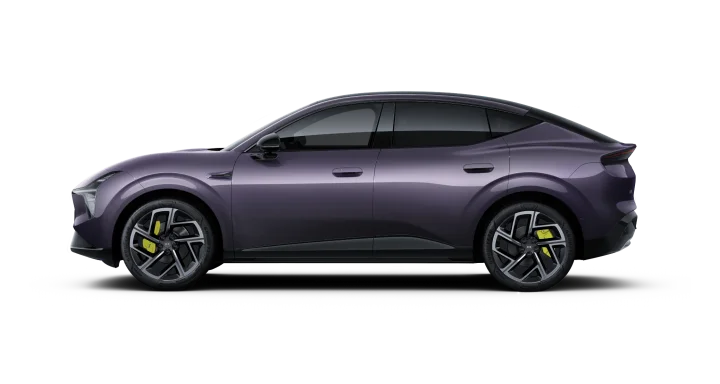
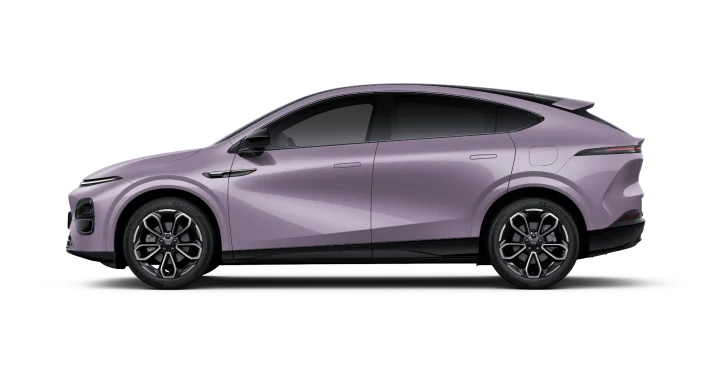
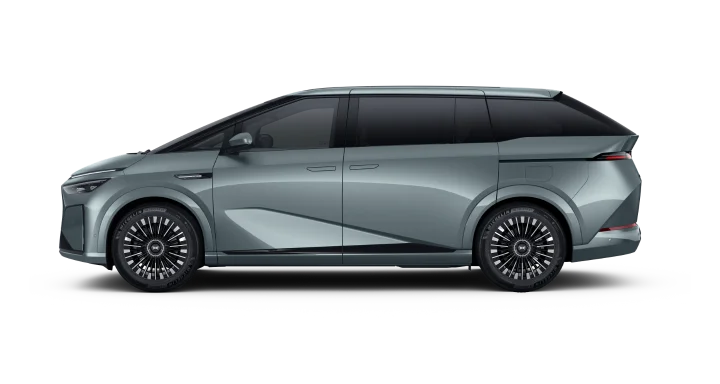
The XPENG NEW G6 — one of Australia's leading Chinese EV brands — features integrated smart charging capabilities directly in the Xmart OS.
A practical tip for setting up this schedule is:
Unplug the charging cable
Set the desired time in the vehicle software
Plug the cable back in.
Ensure any third-party smart charging applications on the wallbox are disabled.
Relying exclusively on the vehicle software prevents conflicting commands and ensures the car starts charging exactly when electricity prices drop.
If you're wondering whether ultra-fast charging will hurt your battery, we've covered that in depth too.


