



 Global
 China
China Austria
 Australia
 Bahrain
 Belgium
 Colombia
 Denmark
 Deutschland
 España
 مصر
مصر France
 Greece
 Guatemala
 Hong Kong
 Ireland
 Ísland
 מדינת ישראל
 Luxembourg
 México
 Netherlands
 New Zealand
 Norge
Norge Portugal
 Singapore
 Sverige
 ไทย
ไทย UAE
UAE United Kingdom
 Poland
 Philippines
 Qatar
Qatar Switzerland
 Uruguay
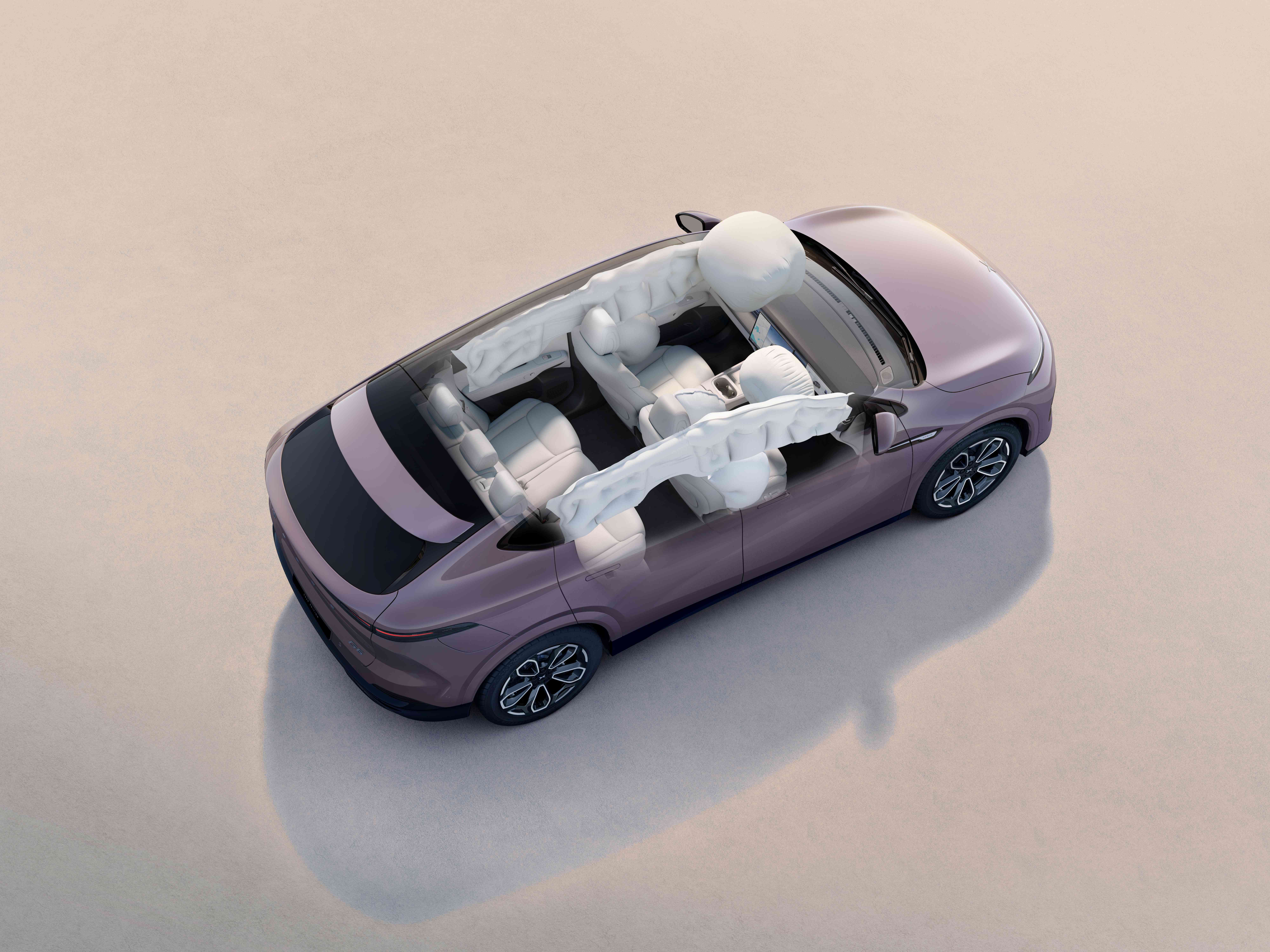
Side crashes are some of the most dangerous on the road — and one of the hardest tests is a car being pushed into a pole at 32 km/h. Here's how ANCAP rates side protection.
Frontal crashes get most of the attention, but side impacts can be far more severe for the people inside. The side of a car has less structure between the occupant and the impact. That's why ANCAP devotes a full test — and a potential bonus test — to side protection.
Note: The speeds below reflect current ANCAP protocols — 60 km/h for the side impact and 32 km/h for the pole test.
The side impact test
In the standard side impact test, a mobile deformable barrier strikes the car at 60 km/h. The dummy, seated in the driver's position, is assessed in four regions, each scored out of four points:
Head
Chest
Abdomen
Pelvis
The side impact total is up to 16 points, with the driver's data used for the rating.
Key limits in the side test:
Head: HIC36 below 650 is good; above 1000 is high risk
Chest: 22 mm compression is excellent; 42 mm represents high risk
Abdomen: total abdominal force below 1.0 kN is good; 2.5 kN is the injury threshold
Pelvis: pubic symphysis force below 3.0 kN is good; 6.0 kN represents a fracture risk
The side pole test: the bonus two points
If the car is fitted with a head-protecting side airbag, and scores the full four points for head protection in the side impact test, the manufacturer can choose to run the side pole test. The car is pushed sideways into a rigid pole (254 mm in diameter) at 32 km/h. It's a test designed to simulate hitting a tree, lamppost or power pole.
To pass, the car must meet strict criteria. That means an HIC36 below 1000, peak resultant head acceleration below 80 g, and no direct head contact with the pole.
Passing the pole test adds up to two bonus points. It's a strong signal that the head-protecting airbag genuinely works in a severe, narrow-object impact. That's exactly the kind of crash where head protection matters most.
What the modifiers check
As with frontal impacts, side tests include important modifiers:
Door opening during impact — doors that open in the crash cost points, because they increase the risk of ejection
Backplate and spine loads — if the backplate force exceeds 4.0 kN, the driver's chest assessment loses up to two points; similar penalties apply for T12 spine loads
Airbag deployment — in the pole test, a head airbag that doesn't deploy fully in the designed manner costs a point
Post-impact door opening — after the crash, the doors on the non-struck side must be openable, with the opening force categorised from normal (under 100 N) to requiring tools (over 500 N)
What it means for your family
The pole test exists because real-world side crashes often involve narrow objects — trees along rural roads, poles in urban areas. Side crashes are also harder to prepare for. There's no crumple zone between you and the impact, so the car's structure and its airbags do more of the work. For families, whether in an electric SUV or a conventional car, the presence of a properly designed head-protecting side airbag isn't a luxury. It's one of the most important safety features a car can have.
When you see a five-star result, the side tests are a big part of how it was earned. The pole test bonus tells you the head protection has been proven in the worst kind of side impact. A narrow, concentrated hit puts the head at the greatest risk — and the airbag has been tested for exactly that.


