

 Global
 China
China Austria
 Australia
 Bahrain
 Belgium
 Colombia
 Denmark
 Deutschland
 España
 مصر
مصر France
 Greece
 Guatemala
 Hong Kong
 Ireland
 Ísland
 מדינת ישראל
 Luxembourg
 México
 Netherlands
 New Zealand
 Norge
Norge Portugal
 Singapore
 Sverige
 ไทย
ไทย UAE
UAE United Kingdom
 Poland
 Philippines
 Qatar
Qatar Switzerland
 Uruguay
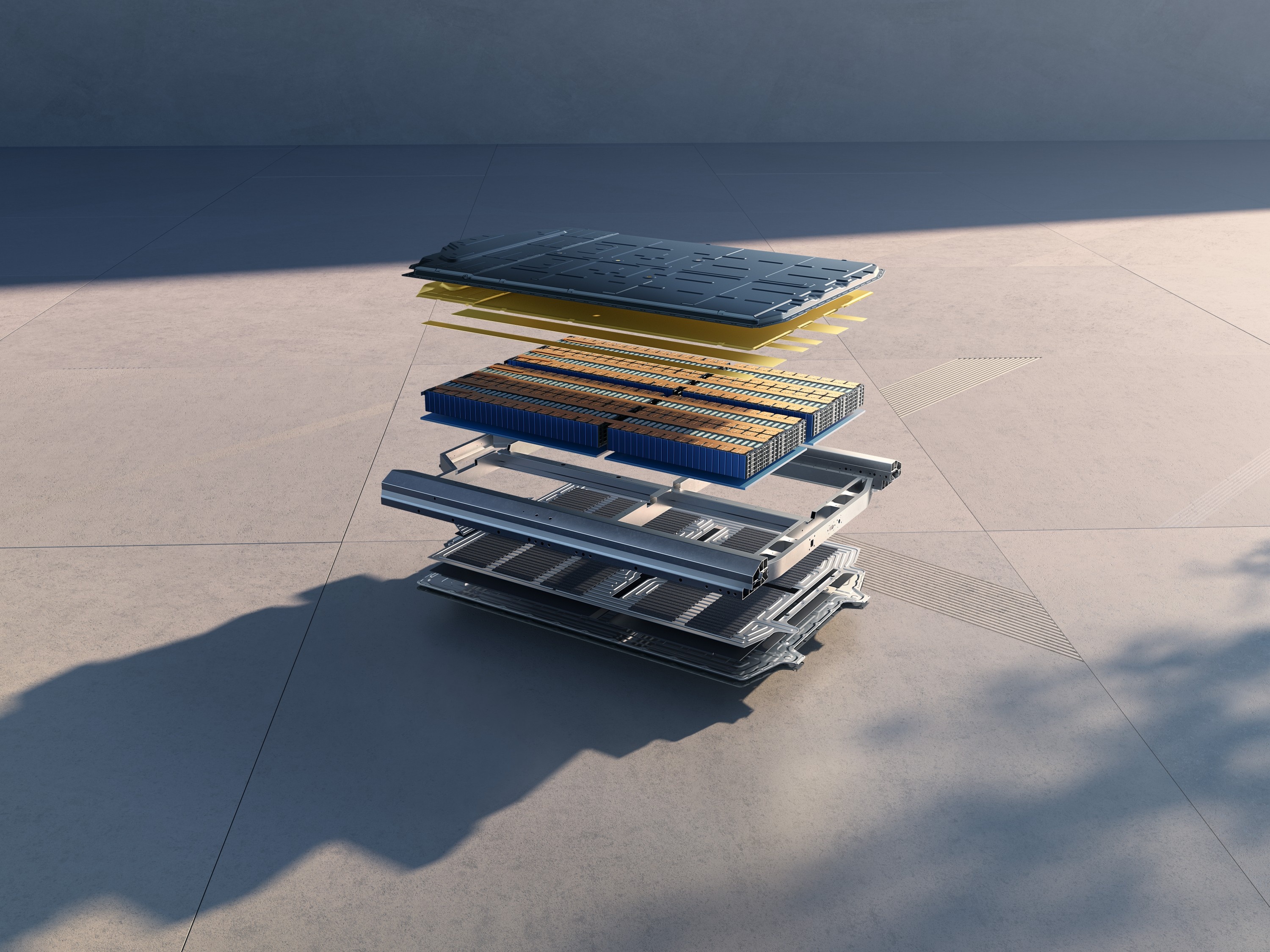
Not all EV batteries are the same. Lithium iron phosphate (LFP) and other lithium-ion chemistries trade off energy, performance and lifespan differently — here's what that means for buyers in Australia.
When you compare electric cars, one spec often gets overlooked: what the battery is actually made of. If you're comparing LFP vs lithium-ion batteries, or wondering what an LFP battery means, this guide explains the difference. It's easy to focus on range and price, but chemistry shapes the whole ownership experience. The chemistry inside the pack shapes how far you can go, how fast it charges, how it behaves in winter, and how long it lasts. Get this right, and the rest of the car is easier to judge. Two families dominate today: lithium iron phosphate (LFP) and other lithium-ion chemistries. The chemistry choice shapes everything from range to lifespan. Understanding the difference takes about five minutes, and it pays off for the life of the car. Here's how they compare — and why it matters for Australian drivers choosing between electric SUVs, sedans and everything in between.
What the numbers say
LFP batteries are rated for around 2,000 charge cycles or more, which translates to a service life of over ten years in normal use. That's why LFP battery life is one of the chemistry's strongest selling points. They're the chemistry used across all XPENG models sold in Australia.
Other lithium-ion chemistries typically offer more energy storage — meaning more range in a given size — and more stable performance in cold weather. Their lifespan is usually shorter, in the region of eight years.
In short: one chemistry trades a little range and winter edge for a much longer life; the other does the opposite.
Why LFP lasts longer
The lifespan difference comes down to how the chemistry holds up under repeated charging. In everyday terms, that means more years of reliable range before capacity noticeably fades. LFP's structure is more stable, which means less degradation per cycle. That's why it handles 2,000 cycles or more before capacity meaningfully declines. It's also inherently more stable at high temperatures — a genuine advantage in Australian summer heat.
There are trade-offs. LFP packs have lower energy density, so they need to be a bit larger or heavier for the same range. And in very cold conditions, they can feel less punchy until the battery warms up.
What other chemistries bring
The other lithium-ion family stores more energy in the same space, which is why it's used when maximum range per kilogram matters — think long-range touring or heavy vehicles. Its cold-weather performance is also stronger. The price is a shorter typical lifespan — around eight years. That's still a very long time in practice, but noticeably less than LFP's decade-plus.
Which one should you choose?
For most Australian drivers, the LFP trade-off is the right one. It's also the more economical chemistry to produce, which keeps vehicle prices lower. That combination has made it the mainstream choice. The slight range difference is easily offset by better durability, greater heat stability and a longer service life. And with Australia's fast-charging network growing, the charging side keeps improving. If maximum range in the coldest conditions is your absolute priority, the other chemistry has merits worth considering. But for the vast majority of buyers, durability wins the argument. For everyday Australian driving, LFP's longevity is hard to argue with.
The bottom line
Battery chemistry matters. LFP offers a longer life, better heat stability and lower cost; other lithium-ion chemistries offer more energy and stronger cold-weather performance. For Australian conditions, LFP's durability makes it the natural choice — and it's the chemistry powering the XPENG range. For most EV buyers in Australia, that's exactly what they want. When you see LFP on a spec sheet, you can read it as a promise about the long term — and a sensible default for most drivers.