



 Global
 China
China Austria
 Australia
 Bahrain
 Belgium
 Colombia
 Denmark
 Deutschland
 España
 مصر
مصر France
 Greece
 Guatemala
 Hong Kong
 Ireland
 Ísland
 מדינת ישראל
 Luxembourg
 México
 Netherlands
 New Zealand
 Norge
Norge Portugal
 Singapore
 Sverige
 ไทย
ไทย UAE
UAE United Kingdom
 Poland
 Philippines
 Qatar
Qatar Switzerland
 Uruguay
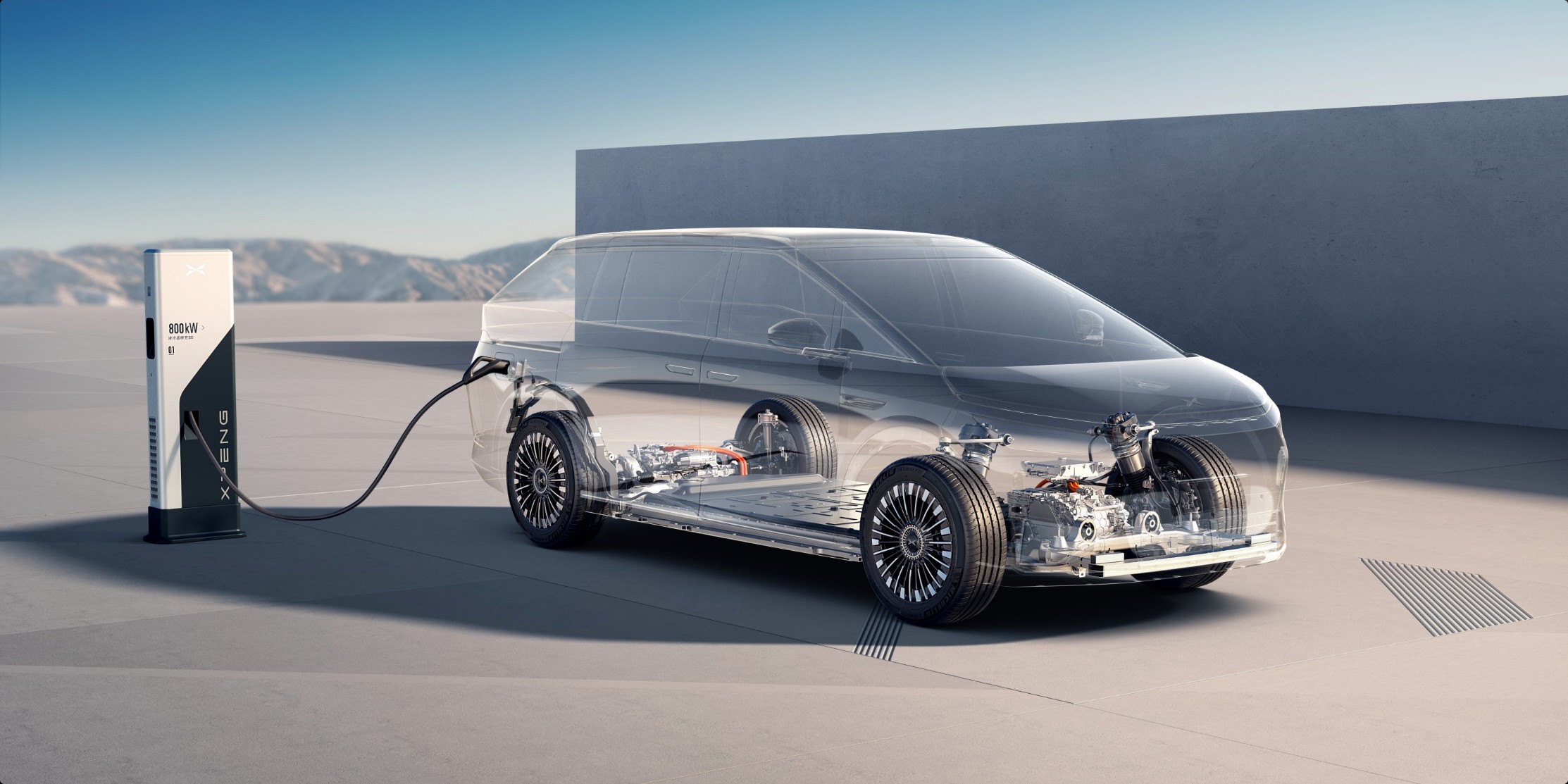
Charging in winter isn't hard — it just needs a little planning. The same habits that protect your battery all year round matter even more when the temperature drops. Choose the right spot, warm the battery, and keep the port clear. Here's everything that helps.
Winter charging is a little different from summer. Cold batteries charge more slowly, charging ports can freeze, and your habits make a real difference to how much range you keep. Here are the practical winter charging tips that matter — and a few habits for EV charging in cold weather.
Choose the right charging spot
Where you charge matters more in winter. A sheltered or indoor spot — a garage, underground car park or covered station — keeps the battery warmer while charging. That speeds up charging and cuts the energy the car spends warming itself. If you only have an outdoor charger, a sunny spot is better than a shaded one.
Preheat before you charge
The battery charges fastest when it's warm — the single most useful thing to know about charging an EV in winter. On a cold day, use the battery preheating function before you reach a fast charger. If the battery is already warm when charging starts, you spend less time at the station. This can meaningfully shorten the time you spend at the station. At home, charging overnight is the natural equivalent — the battery sits warm while it fills.
Keep the charging port clear
Ice and frost can jam the charging port cover or the connector. If the port is frozen, melt the ice gently with warm water or a hairdryer on low before plugging in — never force the connector. Keep the port area dry and free of snow, and check it after a cold wash. If you park outdoors, a quick check before plugging in prevents most winter charging frustrations. And if you charge at home, plugging in overnight works well in winter. The battery sits warm while it fills, and you leave with a full pack on cold mornings.
Do a full charge regularly
Battery management systems appreciate a regular full charge to keep their readings accurate. For day-to-day driving, keeping the battery between 20 and 90 per cent charge is a good habit. The monthly full charge is about keeping the system's readings accurate — not about running the battery down. Aim to charge the battery fully at least once a month. This helps the system maintain accurate range estimates throughout the season. (A "full discharge" is not recommended — modern EVs manage fine without it, and it doesn't help the battery.)
Expect a little slower charging in extreme cold
It's normal for charging speeds to drop in very cold weather. If you're wondering how to charge an EV in winter, this is the part most people don't expect. The battery limits charge power to protect itself, and some energy goes to warming the pack. Don't be alarmed — this is by design. Preheating and sheltered charging both reduce the effect.
Plan your winter trips around charging
Cold weather reduces range, so plan longer trips with a little more margin. A handy mental rule: add a buffer to your planned charging stops, and check the charger's rated speed before you drive there. Not all stations charge at the same rate. Check charger locations before you go, and allow for the possibility that charging takes a bit longer than in summer. A few minutes of planning beats a cold wait at an unexpected station.
The bottom line
Winter charging is about three things: a warm battery, a clear port, and a little extra margin in your plans. Get those right and charging stays easy all season — even on the coldest mornings. The effort is small, and the payoff is a car that's ready when you are.


