

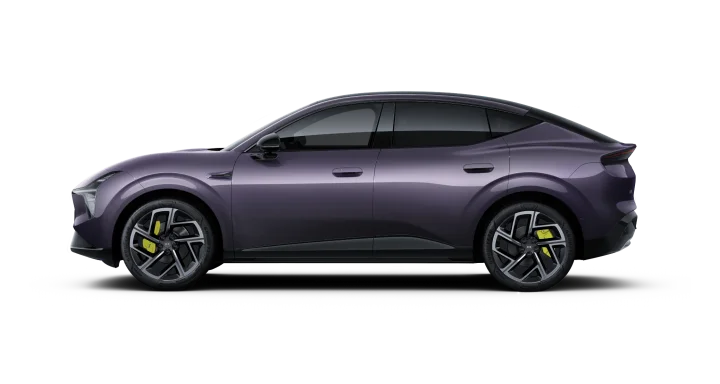
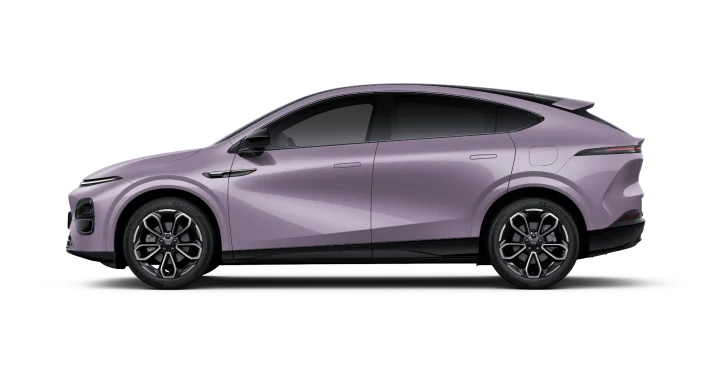
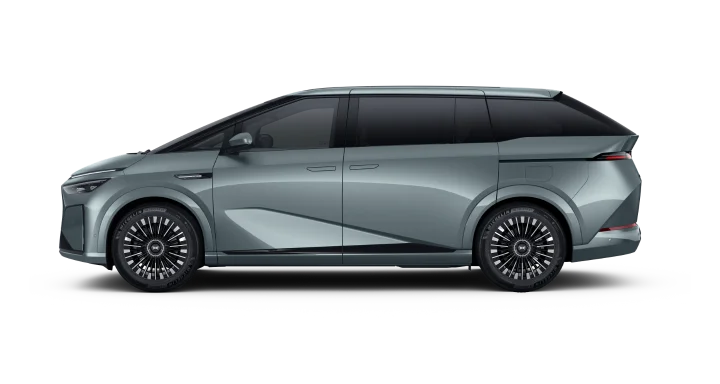

The Office Without the Desk, in The XPENG L03
It is Wednesday morning, and the office is 240 kilometres from the nearest capital city. The laptop is open on a folded-down rear seat, plugged into the car's own power outlet, facing a window that looks out over a lake. There is coffee in a keep-cup on the centre console, a half-finished document on the screen, and a swim planned for 12:15. No one is checking a desk. No one is checking in.
This is not a holiday that happens to include work. It is work that happens to include a life — and for a growing share of Australians, it is the point.
According to the Australian Bureau of Statistics, 36 per cent of employed Australians usually worked from home in August 2025, and 1.1 million people worked as independent contractors — freelancers, consultants and creators whose "office" has already left the building. The rise of hybrid work has loosened the tie between a job and a place. What has not loosened is the tie between the working day and the working room: most remote workers still do their remote work from the same four walls, every day.
The XPENG L03 is built for the ones who want to change that — a car that turns the workday into something you can move. Not a motorhome, not a desk on wheels in the tech-bro sense. Just a quiet, well-powered space where a Wednesday can happen somewhere else.
The mobile office, minus the awkward parts
The first question anyone asks about working from a car is practical: where does the laptop go, and how long does the power last?
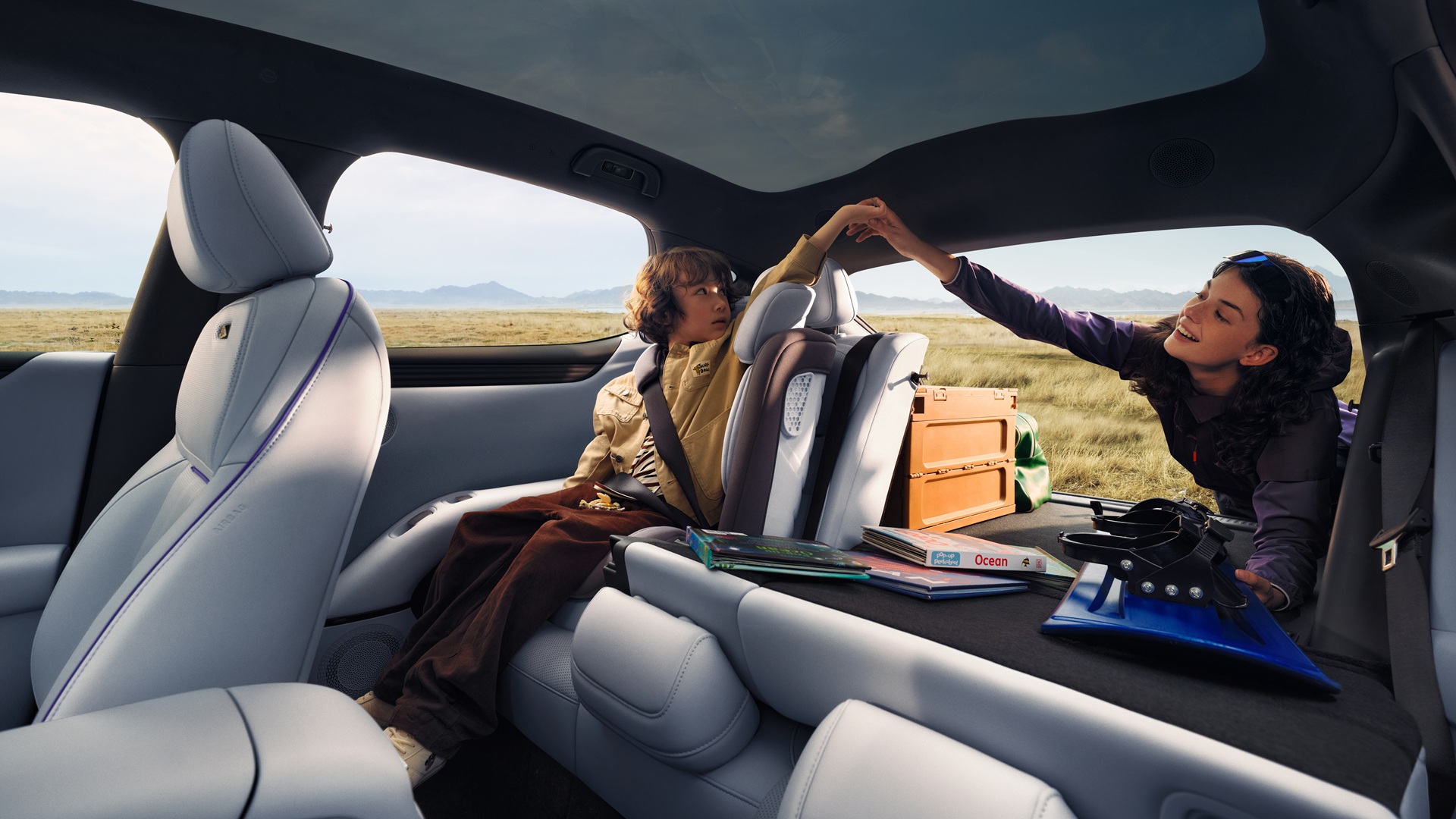
The L03's rear seats fold in a 40/20/40 split and lie flat, turning the back of the cabin into a level, usable surface — a long desk when you need one, room for a camp chair and a board when you do not. A 12-volt socket in the boot supplies the kind of power a working day actually needs: laptop charged and running through an afternoon of calls, second screen topped up, phone, headphones, the lot. No generator, no extension cord stretched across a campsite, no racing the battery.
The voice assistant understands natural requests across four in-cabin zones — "set the temperature to 21", "find a quiet café with parking in town", "navigate to the lookout" — which matters more than it sounds when your hands are on the keyboard and your mind is on a deadline. And the panoramic glass roof keeps the cabin feeling like a room with a view rather than a car you have briefly borrowed.
None of it is complicated, which is the point. A mobile office only works if it takes less time to set up than it does to fall in love with the location.
A Wednesday in the regions
Australia's coastal and regional towns have spent a decade building the infrastructure for exactly this kind of day — and the L03 is built to reach it. On the longer-range variants, the battery covers up to 520 km on a single WLTP charge (RWD Long Range, 18-inch wheels) — Sydney to the Southern Highlands and back, or a full working day in the Blue Mountains without a second thought. When you do need to top up, DC fast charging at up to 236 kW takes the battery from 10 to 80 per cent in around 20 minutes: enough for a long lunch before the afternoon calls.
That combination quietly changes the geometry of the working week. A freelancer based in Wollongong can take a client call from the beach at Thirroul before the tide comes in. A remote employee in Melbourne can work a morning from the Mornington Peninsula and be home for school pickup. A writer can spend Thursday in Berry, Friday in Bowral, and never once feel like they are "away" — because the office came with them.
The towns notice, too. Regional Australia has been the quiet winner of the remote-work shift: cafés with strong Wi-Fi, libraries with meeting rooms, caravan parks and holiday parks that now advertise "workation" rates. The car that lets you show up there on a Tuesday — and be genuinely productive — stops being a weekend vehicle and becomes part of the working week.
The part where you switch off
There is a reason the phrase "work–life balance" keeps failing people: it treats work and life as two blocks of time fighting over one day. The mobile-office idea is not about merging them into a blur. It is about giving each one better scenery.
At 12:15, the laptop closes. The rear seats fold back up. The same car that held a morning of calls holds a towel, a pair of board shorts and a picnic. The coffee cup stays in the same holder. The only thing that changes is which part of the day the window is looking at.
That is the whole proposition: not that work should feel like a holiday, but that a workday does not have to feel like a sentence served indoors. For the 36 per cent who already work from home — and the growing number who wonder why "home" has to mean one address — the L03 makes the office something you carry, not somewhere you report to.
Start planning your moveable Wednesday. See the XPENG L03 and the workdays it was built for.
Disclaimer
Unless otherwise stated, all data displayed on this page are sourced from XPENG laboratory testing and are provided for reference only. Actual performance may vary depending on the specific vehicle configuration, vehicle condition, and other factors. Actual results may vary under real-world conditions.
Remote-work statistics: The 36 per cent of employed Australians usually working from home, and the 1.1 million independent contractors, are drawn from the Australian Bureau of Statistics (Characteristics of Employment and Working Arrangements, August 2025 reference period, released December 2025). Figures are rounded as published.
Range: WLTP range figures are based on XPENG's published global specification for the L03 (520 km on the RWD Long Range with 18-inch wheels). Real-world range varies with driving style, terrain, climate, payload, wheel size and use of accessories. Australian-market availability, standard fitment and final specifications are subject to confirmation by XPENG at local launch.
Charging: DC fast charging figures (up to 236 kW, 10–80 per cent in around 20 minutes) are based on XPENG's published global specification. Actual charging time and power depend on battery state, temperature, charger output and site conditions.
V2L: The L03 includes a 12 V socket in the boot as standard; vehicle-to-load (V2L) capability is market-specific and subject to confirmation for the Australian market at local launch. Where available, ensure connected appliances are rated within the vehicle's published V2L output and follow all manufacturer safety guidance.
Rear seats: The L03's rear seats fold in a 40/20/40 split and lie flat to extend the load area. Always secure cargo appropriately and follow the vehicle's loading guidance; the cabin is not a certified workplace and road rules always apply when the vehicle is in motion.
Voice assistant: The L03's voice control supports natural-language commands through the "Hey XPENG" voice assistant across four in-cabin listening zones. Performance depends on ambient noise, connectivity and language settings.
Working from the car: Descriptions of working from the vehicle are illustrative lifestyle scenarios. Wi-Fi and connectivity depend on network coverage, data plans and local conditions; XPENG does not provide in-vehicle internet in this context.


