

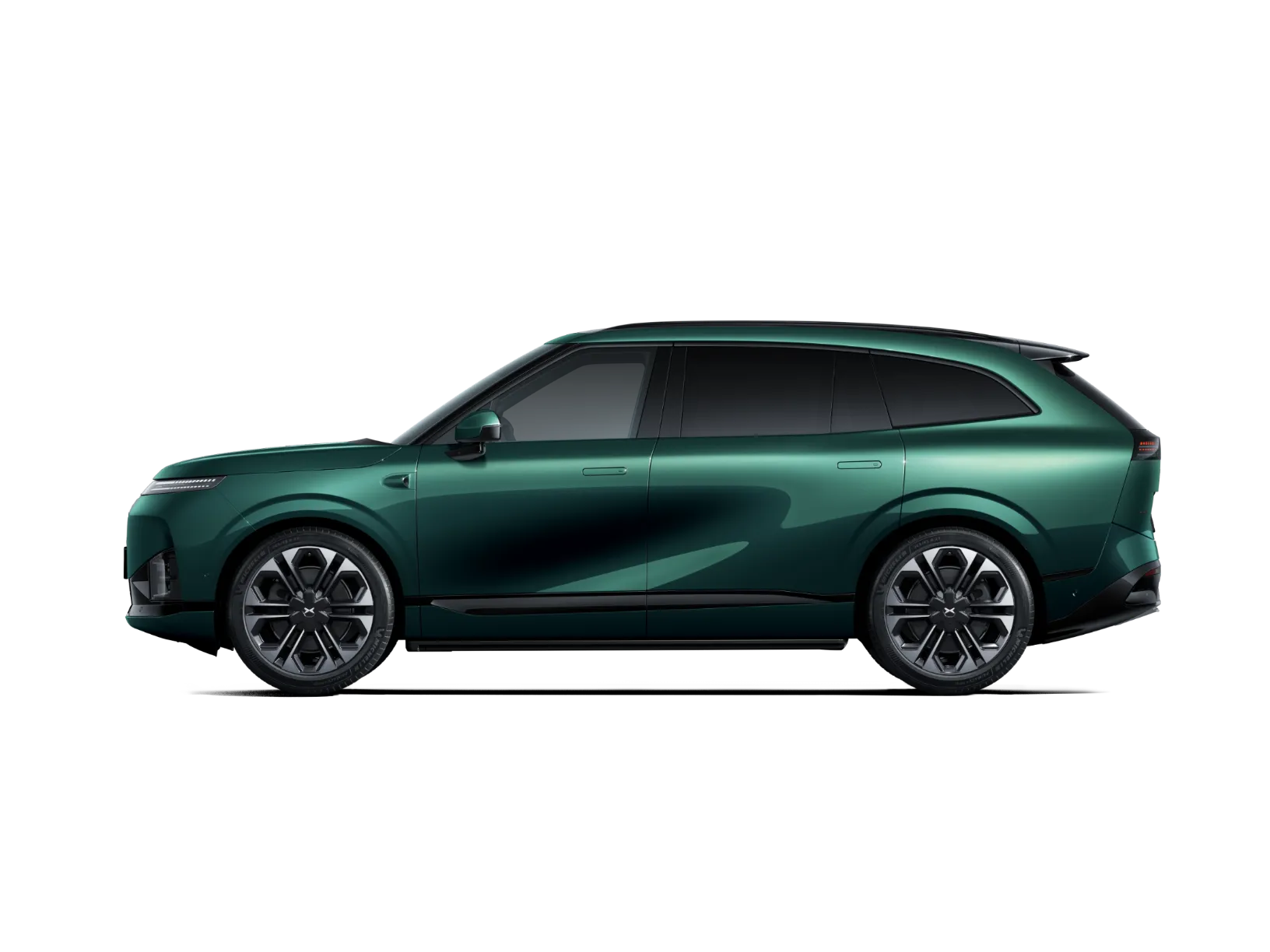
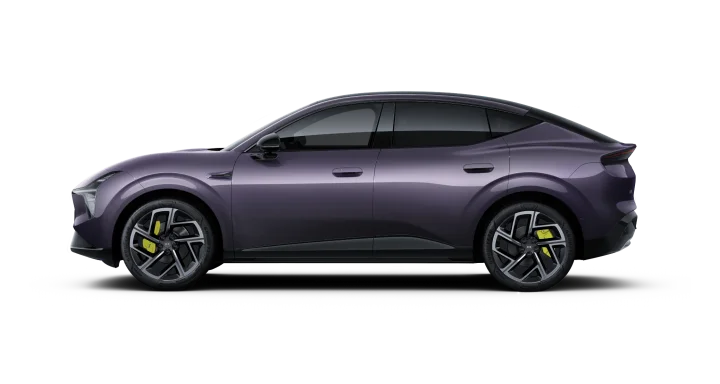
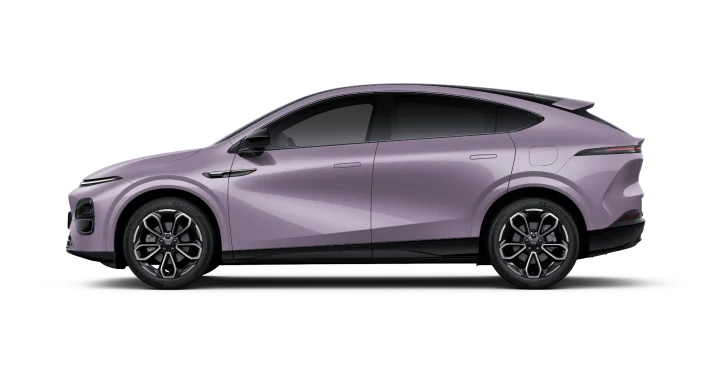
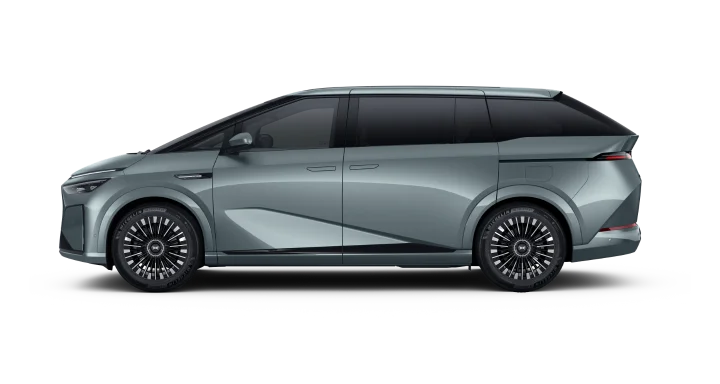

How Long Do EV Batteries Last? The Truth About Battery Life and Longevity
If you’re shopping for an electric car in Australia, one question probably sits at the top of your list: how long do EV batteries actually last?
You’ve heard the mixed takes — fears of sudden degradation, sky-high replacement bills, and fast charging wearing cells out early. We’re here to cut through the noise with real engineering facts, and show you how the XPENG NEW G6 battery life delivers strong durability performance.
Let’s start with the basics, then dive into the tech that makes a real difference.
What Actually Determines EV Battery Lifespan?
Battery life isn’t one single number. It’s shaped by how you charge, how you drive, the thermal management system, and the cell chemistry itself.
Most drivers talk about lifespan in two ways: years of daily use, and the total number of full charge cycles before capacity drops. A common industry benchmark is 70% remaining health as the threshold for noticeable performance change.
For many mainstream EVs, that 70% mark lands somewhere between 1,000 and 1,500 cycles. But the XPENG NEW G6 5C battery pushes that number much further — without sacrificing charging speed.
The XPENG G6 5C Battery: Built for 2,000+ Fast-Charge Cycles
Let’s get straight to the number that matters. The XPENG G6 delivers 2,000+ fast-charge cycles while retaining at least 70% battery health, based on internal testing under controlled conditions.
That’s not a lab trick with slow charging. That’s with regular use of its 5C ultra-fast charging capability, which can take the battery from 10% to 80% SOC in just 12 minutes at peak power. Peak charging speed requires a compatible high-power charger and optimal battery temperature; real-world charging times may vary.
How is that possible? It comes down to three core engineering choices.
Does Fast Charging Hurt EV Battery Degradation?
This is the myth that won’t go away. The short answer: it depends entirely on how the battery and thermal system are engineered.
In a poorly designed EV, repeated fast charging can accelerate wear because the cells run hot and the BMS can’t keep up. But the XPENG NEW G6 is built specifically to handle regular fast charging without significant long-term degradation, based on internal testing.
The XHP 3.0 intelligent thermal management system is a big part of that performance.
Supercharging cooling capacity has been increased to 8kW, a 33% improvement over the previous generation XPENG thermal system.
Battery preheating power reaches 8.7kW, so cells are at the ideal temperature before charging even starts.
Even at -20°C, the G6 can charge from 30% to 90% SOC in 45 minutes — without excessive stress on the pack, per controlled laboratory testing.
So yes, you can use fast charging regularly with the G6. You don’t have to baby the battery to get a long life out of it.
800V SiC Platform: Efficiency That Extends Effective Life
Battery lifespan isn’t just about cycles — it’s also about how far each cycle takes you. The G6’s 800V silicon carbide platform improves overall efficiency, so you get more kilometres per kWh and fewer total cycles over the life of the car.
The WLTP range for the XPENG NEW G6 reaches up to 525km for the RWD Long Range R20 variant, with combined energy consumption as low as 17.9 kWh/100km on the WLTP test cycle. Real-world range and consumption will vary based on driving conditions, temperature and vehicle load.
Better efficiency means less total energy throughput for the same annual driving. That’s a quieter, easier way to extend the effective life of the pack — no trade-offs in performance.
How Many Charge Cycles Does an EV Battery Last in Real Australian Driving?
Let’s put the 2,000-cycle figure into real terms for Australian drivers.
If you drive 15,000km a year — a typical average for Australian passenger vehicles — and average around 18 kWh/100km in real-world conditions, you’ll use roughly 2,700 kWh annually.
The long-range G6 is designed for long-term durability, with 2,000+ fast-charge cycles to at least 70% battery health under controlled XPENG testing.
Even if you drive more than average, or rely heavily on fast charging on road trips, the battery is designed to last the life of the car for most owners.
What About EV Battery Replacement Cost in Australia?
It’s a fair question, and one you should ask before buying any EV. The good news is that modern EV batteries are lasting far longer than early critics predicted.
The XPENG G6 is engineered to minimise the chance of needing an early replacement. Its robust cell design, triple short-circuit protection system, and comprehensive thermal management all contribute to this durability.
The pack also features a quad-grid 3D protection frame with:
4 layers of top protection resistant to 1000°C heat and 800V high voltage
3 layers of side collision protection with 1500MPa strength and 80-ton crush resistance
4 layers of bottom armour rated for 2000J impact resistance
That physical protection matters. A battery that survives a minor side impact or road debris strike without damage is a battery that keeps its value for years.
The Real Truth About Long-Lasting EV Batteries
If you’re looking for a long-lasting EV battery, don’t just look at the warranty fine print. Look at the engineering underneath.
Look for low internal resistance. Look for a robust thermal system. Look for a smart BMS that’s tuned for both performance and longevity. Look for a high-voltage architecture that reduces stress during charging.
The XPENG NEW G6 2000 charge cycle rating isn’t a marketing number — it’s the outcome of a battery system designed from the ground up to handle fast charging, Australian temperatures, and years of daily use, based on internal testing data.
Ready to See the NEW G6 for Yourself?
Battery life is one of those things you shouldn’t have to think about every day. With the XPENG NEW G6, you get the convenience of 5C ultra-fast charging, the efficiency of an 800V SiC platform, and the reassurance that comes with a battery built for durability.
If you’ve been waiting for an EV that handles fast charging without major longevity trade-offs, it’s time for a test drive.
Experience the G6 on Australian roads, try the 10–80% ultra-fast charging speed for yourself (with a compatible charger), and see why smart engineering beats marketing hype every time.
Disclaimer
- Unless otherwise stated, all data displayed on this page are sourced from XPENG laboratory testing and are provided for reference only. Actual performance may vary depending on the specific vehicle configuration, vehicle condition, and other factors. Actual results may vary under real-world conditions.
- The 2,000+ fast-charge cycle rating with at least 70% battery health retention is based on XPENG internal testing under controlled conditions, and individual results will vary with charging habits, temperature and usage.
- The 12-minute 10–80% SOC charging time is measured at peak power and requires a compatible high-power charger and optimal battery temperature; real-world charging times may vary.
- Range and energy consumption figures of up to 525 km (WLTP, RWD Long Range R20) and 17.9 kWh/100km are measured on the WLTP test cycle. Real-world range and consumption vary with driving style, temperature, terrain and vehicle load.
- The estimated service life is a modelled figure based on 15,000 km of annual driving and approximately 30 full charge cycles per year under those modelled conditions.
- Internal resistance, ion transport, thermal management and battery protection frame figures are based on XPENG internal engineering measurements and laboratory testing, and are provided for reference only.


